Ever open a post, know you should leave a comment, and still end up typing “Love this” because nothing better comes fast enough?
That usually happens when commenting is treated like a spontaneous reaction instead of a system. Good comments do real work. They start threads, earn profile visits, strengthen recognition with the right creators or customers, and add a stronger engagement signal than a like.
Comments also carry more strategic weight than many teams assume. Recent Instagram reporting has shown weaker performance from lighter interactions, while conversations remain one of the clearest signs that a post is pulling people in. As noted earlier from Metricool and Sprout Social, comment behavior is shifting by format too, especially on Reels, where faster and more reactive replies tend to perform better.
The practical takeaway is simple. Different posts need different comment types, and each type solves a different job.
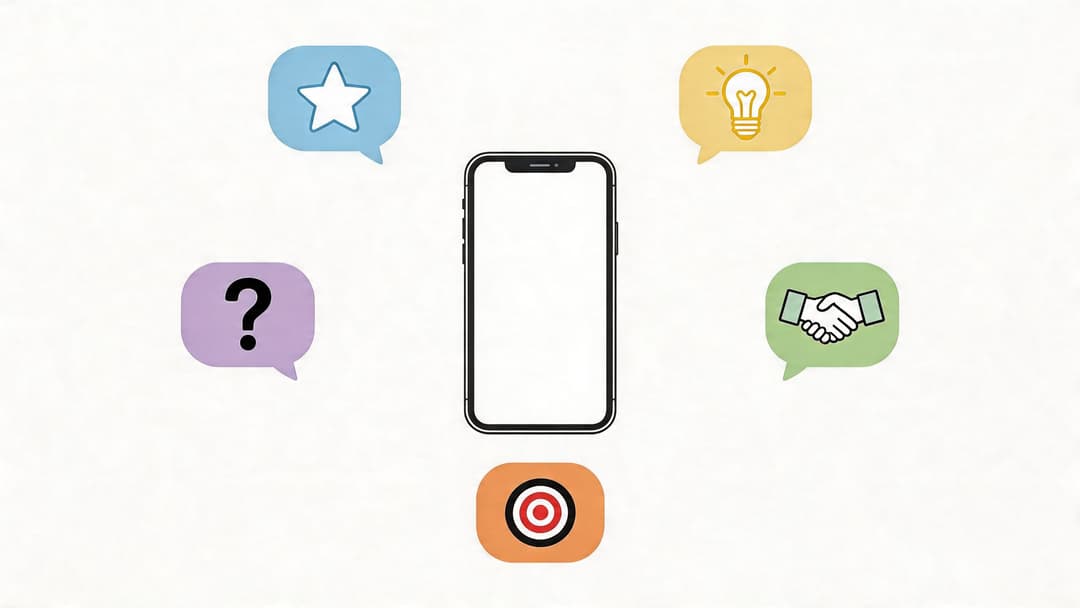
An emoji-only reply can help you show up early on a Reel without slowing down your workflow. A value-driven first comment can add context and position your brand as useful. A short personal story can build trust under a creator post. A question can pull other people into the thread. A CTA comment with a link only makes sense when the post and the relationship have earned that next step.
That is the framework behind this guide. It is not just a swipe file of instagram comment ideas. It is a working system for choosing the right comment based on post format, audience temperature, business goal, and speed of execution.
That last part matters if you manage more than one account. In practice, strong commenting is hard to scale when every reply has to be invented from scratch. Tools such as Postiz help turn this into an actual workflow by letting teams plan, reuse, adapt, and deploy comment patterns without sounding robotic. Used well, automation handles consistency. Judgment still handles timing, tone, and where a higher-effort comment will get a better return.
1. Ask a Question to Drive Engagement
Want more replies without sounding like you are fishing for engagement? Ask a question that gives people a clear, low-effort way to join the thread.
Question comments work because they reduce decision-making. The reader does not need to figure out what to say from scratch. They can pick a side, share a quick opinion, or answer from experience. That makes this format useful under carousels, product drops, before-and-after posts, and opinion-led Reels where the goal is to turn passive viewers into active participants.
A good question also does a second job. It tells you what kind of conversation you want. If the post needs quick volume, ask something simple. If the post needs market feedback, ask something specific enough to produce usable answers.
Manage all your social media in one place with Postiz
Specificity usually decides whether a question performs. “Thoughts?” puts all the work on the audience. “Black or cream?” gives them an instant path to respond.
Use the question type that matches the post goal:
Multiple-choice questions: “A, B, or C?” fits carousels, outfit choices, packaging tests, and design drafts.
Opinion questions: “Do you agree with this approach, or would you do it differently?” works well on educational or hot-take content.
Experience questions: “What happened when you tried this?” pulls stronger replies in niches like fitness, marketing, beauty, and parenting.
Content research questions: “What should I break down next?” helps creators gather ideas while increasing comment depth.
One practical rule matters here. Ask questions people can answer in one sentence. If the reply takes too much effort, the thread slows down.
This format also works on your own posts, especially when the caption already carries some substance. Southern Tide Media has noted that longer captions often attract more comments. In practice, pairing that kind of caption with a pinned question gives followers two ways in. They can respond to the post itself or jump straight into the prompt you placed in the comments.
If you manage this at scale, build question prompts by post type instead of writing them from scratch every time. In Postiz, store a few proven variants for Reels, product posts, and educational carousels, then adjust the wording before publishing. The system saves time. The judgment call is choosing the question that fits the post, audience temperature, and likely reply style.
2. Emoji-Only Comments
Need a comment that matches the speed of the post without forcing a full sentence? Emoji-only comments have a place, but only in a narrow set of situations.
They work on content built for instant reaction. Reels with a reveal, a sharp visual payoff, or a joke often get better thread momentum from a quick signal than from a long comment nobody reads. The mistake is using the same emoji on every post and calling it engagement. Context decides whether it feels native or lazy.
A good emoji comment should fit the emotional tone of the post and the voice of the account leaving it. A beauty brand replying with “💅✨” under a transformation Reel can look on-brand. A meme account using “💀😂” under a joke can look natural. A finance SaaS account dropping “🔥🔥🔥” on unrelated lifestyle posts usually looks like outsourced engagement.
Where emoji comments actually work
Use emoji-only comments when speed and tone matter more than authority:
Fast entertainment posts: memes, reaction clips, trend Reels, punchline videos
Warm creator support: quick acknowledgment that keeps the spotlight on the original post
Casual brand accounts: brands that already post and reply in a light, conversational voice
As noted earlier, Instagram rewards quick interaction patterns across high-volume content. That does not mean every fast comment is useful. It means simple reactions can help you stay present in the right threads, especially when the post already does the heavy lifting.
Keep your emoji system tight. I usually recommend a short approved set by brand or content category, then I tell teams to use it less often than they want.
For example:
Fashion: “🔥🖤”
Beauty: “✨💅”
Food: “🤤👏”
Comedy: “💀😂”
Travel: “😍🌍”
One rule matters here. Repetition kills credibility.
If the same account leaves identical emoji chains across unrelated posts, people notice. Instagram managers notice too. The goal is to look like a real participant who reacted to a specific piece of content, not a brand running through a checklist.
Postiz helps if you manage this across multiple accounts. Save a few brand-safe emoji combinations, tag them by content type, and use them only on posts where a fast reaction makes sense. That workflow saves time, but the trade-off is clear. Emoji comments can help with visibility and relationship maintenance. They do very little for trust, authority, or conversion on their own.
3. Value-Driven First Comments
Want your comment to do more than prove you were early?
Leave the first useful addition on a post your audience already cares about. That is one of the fastest ways to get noticed without publishing more content yourself. In practice, this works best when your comment adds a missing layer to the original post, not when it repeats the caption in different words.
Good first comments usually do one job well. They clarify the advice, add a constraint, or give people a next step they can apply right away.
Examples:
A marketing consultant comments under a social strategy post, “Strong point. This usually works better when the CTA matches the post goal. Curiosity for discovery content, specifics for conversion content.”
A developer comments under a coding tip, “Useful pattern for smaller projects. Once state starts spreading across components, I’d separate concerns earlier to avoid cleanup later.”
A nutrition coach comments under a meal-prep Reel, “This gets easier when you prep ingredients instead of locking yourself into full meals. Variety is what keeps people consistent.”
These comments perform well for a reason. They help the creator, they help readers, and they show your expertise without forcing a pitch. That balance matters. If the comment feels like a mini ad, replies drop and credibility goes with them.
Socialinsider has noted that a large share of feed content gets missed. A strong early comment gives you another surface area for attention, especially from people who skim captions but read the thread.
Use a simple formula:
Acknowledge the post: show what point you’re responding to
Add one practical insight: one sharp addition is enough
Invite response if useful: ask a narrow follow-up only if it fits the conversation
There is a trade-off here. The more educational your comment gets, the easier it is to slip into “look how smart I am” mode. Keep it tight. A good value-first comment should feel like a helpful margin note, not a second caption.
I also use this style when a client wants stronger positioning around expertise. Public comments are a low-friction way to demonstrate judgment in context. The same principle behind telling your story effectively applies here. Specificity builds trust faster than polished generalities.
Postiz helps turn this into a repeatable workflow. Save draft comments by topic, creator type, or campaign theme, then review and post them while the conversation is still active. That saves time across multiple accounts, but human review still matters. In comment strategy, one extra sentence is often the difference between useful and self-promotional.
4. Relatable Personal Story Comments
Some comments don’t win because they’re smart. They win because they sound lived in.
A short personal story can outperform a polished tip when the post is about burnout, parenting, confidence, creative frustration, business mistakes, recovery, or any topic where people are scanning for emotional proof. They want to know whether someone else has been there.
Keep the story short and useful
The mistake is turning your comment into a diary entry. Good story comments are brief, specific, and tied to the original post.
For example:
Under a mental health creator’s post: “I used to think rest meant I was falling behind. It took me a while to see that I was making worse decisions when I pushed through everything.”
Under an entrepreneur’s lesson on failed launches: “I had a launch that looked good from the outside but the messaging was off. The comments people left afterward taught me more than the campaign did.”
Under a parenting Reel: “This happened in my house last week. I tried to fix the moment too fast instead of listening first, and that made it worse.”
These comments work because they make other people feel safe to give genuine answers. They also soften a brand or creator account that otherwise looks polished to the point of distance.
People reply to stories they recognize in themselves.
A strong story comment usually includes three pieces: the situation, the mistake or tension, and the insight. That’s enough. You don’t need a dramatic confession.
If your brand voice allows for personal storytelling, this is one of the best ways to build trust in niches where people buy from people, not logos. Coaches, therapists, consultants, founders, educators, and personal brands can use this naturally. A faceless ecommerce brand usually can’t, unless the comment comes from a founder account or community manager with a visible voice.
If several people handle the account, document the tone. Story comments can backfire when they sound borrowed or vaguely emotional. Teams need a clear line between honest warmth and oversharing. For brands trying to get this balance right, it helps to study examples of telling your story effectively so the voice stays human without turning messy.
Postiz can support the workflow by letting teams save approved tone examples and collaborate on replies, but this format should still be written with care. Authenticity is obvious in comments. So is imitation.
5. Call-to-Action Comments with Link
What should a comment do after it gets attention. Keep the conversation going, or send people to the next step?
The answer depends on intent. A CTA comment works when the post has already created clear demand and the comment removes friction. If people are asking where to buy, how to book, or how to get the template, a well-written comment can catch that intent before it cools off. On the wrong post, the same tactic makes the thread feel like a sales script.
The standard is simple. Earn the click before asking for it.
What a strong CTA comment looks like
Weak CTA comment: “Check bio for link!!!”
Stronger CTA comment: “We added the template to our bio so you can copy the exact workflow from this Reel.”
Another version for a coach or consultant: “The full framework is linked in bio. Start with the free guide first so you can see if the method fits.”
The improvement is not subtle. The better version tells people what they’ll get, why it matters, and what to do first. It reads like help, not pressure.
I use CTA comments in a narrow set of situations:
The next step is obvious: booking page, product page, resource hub, waitlist
The content created specific demand: tutorial, checklist, template, demo
The offer matches the post closely: free guide under an educational Reel, product link under a launch post, registration link under an event announcement
Good CTA comments are specific. “Link in bio” is often too vague on its own. Name the asset, name the result, and keep the ask light.
If you want extra phrasing examples, these social media call-to-action examples are useful for pressure-testing your wording. If the CTA connects to a partnership, creator campaign, or shared launch, it also helps to understand how collaborative Instagram posts work, because the comment should match the ownership of the offer.
One warning matters here. Repeating a CTA under every post trains people to ignore you. Comments are part of brand voice, not just conversion plumbing. Posts that are built for reach, community, or opinion usually perform better when the first comment adds context instead of asking for a click.
Postiz can help teams manage CTA comments across campaigns, save approved variations, and keep links aligned with the right post. The trade-off is judgment. Automation can keep the system organized, but someone still needs to decide whether the thread calls for direction or restraint.
6. Collaborative Mention Comments
Who should you tag in a comment, and when does it help instead of making the thread feel spammy?
Collaborative mention comments work best when they do one of three jobs: give credit, bring in a relevant expert, or strengthen an existing partnership. The common mistake is using tags as outreach. Public comments are a poor place to start a relationship. They work far better when the connection already exists and the tag adds context for everyone reading.
A fitness creator might mention a sports physio under a recovery post. A fashion brand can tag the stylist or photographer on a campaign reveal. A coffee shop can mention the ceramic artist behind the cups in the photo. Each example gives the audience a useful next step, and it signals that the post was built with other people, not in isolation.
The rule for tagging other accounts
Tag accounts only when a reader can immediately understand why that person belongs in the conversation. If the relationship is unclear, the comment looks like networking theater.
Strong examples:
“@stylistname pulled the textures together perfectly here.”
“@nutritionistname has a smart perspective on the meal timing point.”
“Shot with @photographername, who shaped the whole mood of this set.”
Weak examples usually look like this: “@person1 @person2 @person3 thoughts?”
That format asks for attention without offering context. It also puts the tagged people in a bad spot. Reply, and they reward a lazy tag. Ignore it, and the comment sits there looking forced.
This format is especially useful for local brands. Restaurants, salons, gyms, studios, and retail shops often grow through visible relationships. Mention the florist, trainer, maker, venue, or neighboring business when they are clearly part of the post. Local relevance makes the tag feel earned.
Partnerships: co-creators, guest experts, featured brands
Community building: bringing the right voice into a discussion that already fits them
One operational rule matters here. Do not tag someone in the comments if your team would hesitate to tag them in the caption. The standard should be the same.
Postiz is useful when several people manage outreach because collaborator mentions need coordination. One person tagging a partner while another is pitching a competitor creates avoidable friction. Keep a short approved list, match mentions to the content angle, and use comments to reinforce real relationships rather than trying to create them on the fly.
7. Contrarian or Thought-Provoking Comments
Want comments that do more than agree, flatter, or disappear?
A respectful challenge can earn more attention than another “great post” reply, but it only works when the comment adds perspective people can use. The goal is not to sound smarter than the creator. The goal is to introduce a useful tension that makes the thread better.
That makes this one of the more strategic instagram comment ideas. I use it sparingly because it carries real downside. Done well, it positions your account as thoughtful and experienced. Done poorly, it reads like performance.
How to disagree without turning the thread hostile
Strong contrarian comments question the assumption, the framing, or the context. They do not question the creator’s intelligence, motives, or competence.
A good starting point is scope. Narrow the disagreement to one specific angle and explain why it matters.
Examples:
“I’d separate visibility from strategy here. A tactic can increase reach and still be the wrong fit for conversion.”
“This probably works for creators with broad audiences. A local service business with repeat customers would need a different approach.”
“I don’t think frequency is the main issue. Relevance usually decides whether people respond.”
That third example matters because comments tend to show stronger intent than passive reactions, as noted earlier in the article. If you challenge a claim, write it in a way that opens the door to discussion instead of ending it.
A useful contrarian comment sounds like a peer with field experience. An attention-seeking one usually overstates the point, adds sarcasm, or piles on three objections at once.
Use a short filter before posting:
Challenge the idea, not the person: keep the comment on the claim
Make one point: one sharp observation reads better than a list of complaints
Speak from experience: this format works best when you can back it up with real examples
Skip sensitive posts: avoid this on grief posts, personal disclosures, customer complaints, or vulnerable updates
This style fits consultants, analysts, educators, journalists, and founders with a clear point of view. It is a weaker choice for new brand accounts that have not built any familiarity yet. Without visible context, disagreement can look like friction for its own sake.
There is also a practical trade-off here. Contrarian comments create stronger positioning, but they are harder to scale than emoji reactions or simple community replies. They need judgment, timing, and tone control. Postiz can help teams track which comment angles spark useful back-and-forth and which ones stall, but the writing should stay manual. If your broader plan also includes rewarding brand mentions and customer posts, pair this with a user-generated content strategy that keeps community responses consistent.
8. User-Generated Content Amplification Comments
Want more customers to post about your brand without begging for tags or running another giveaway? Comment well on the people who already do it.
A strong UGC comment increases the odds of three things happening again: the creator posts about you in the future, their audience sees that your brand pays attention, and other customers realize tagging you gets a real response. That is why I treat these comments as part community management, part distribution system.
What to say on customer posts
Generic praise gets acknowledged and forgotten. Specific recognition gets remembered.
Examples:
A fashion brand: “You styled the jacket exactly how we hoped people would wear it. The boots make the whole look.”
A coffee shop: “That corner seat has become a regular’s favorite for a reason. Glad you caught the light there.”
A fitness app: “The consistency in your updates has been the best part to watch. Proud of the work behind this.”
Those comments work because they prove someone on the brand side looked at the post. They also avoid a mistake I see all the time: treating customer content like inventory instead of a relationship moment.
The timing matters too. Early comments tend to get seen by the creator and anyone else already engaging with the post. But speed is not the only goal. If your team replies fast with empty brand-speak, the effect is weak. A slightly later comment with one real observation usually performs better than “Love this” posted in the first minute.
Use a simple framework:
Name the detail: mention the product use, result, setup, styling choice, or mood
Reward the effort: acknowledge what the person did, not just what they bought
Keep the first comment clean: save rights requests, discount offers, or repost asks for a follow-up
Match the post energy: excited for wins, warm for milestones, low-key for everyday mentions
This comment type has a clear trade-off. It builds trust and future UGC, but it is harder to scale than emoji replies. Someone has to read the post, spot what is unique, and respond like a person. That is also why it works.
If you need a repeatable process, set up saved prompts by UGC category, such as product-in-use, transformation, testimonial, event photo, or casual mention. Postiz can help teams monitor tags and assign replies so good customer posts do not sit untouched. The writing should still be customized. For a broader system, use these user-generated content strategies for consistent brand responses.
One more rule from practice: do not turn appreciation into extraction too quickly. The first public comment should make the customer feel seen. Permission requests and reuse workflows come after that.
9. Education & Tutorial Comments
Want comments that do more than pad the count?
Education comments work when the post creates interest but stops short of the practical next step. That gap is useful. It gives you room to add a specific tactic, clarify a common mistake, or answer the question people are already forming while they watch or scroll. Done well, this type of comment turns a passive viewer into a saver, a profile visitor, or a follow-up question.
Here’s a useful example before the deeper breakdown:
Make the tutorial comment easy to scan
Comment sections reward clarity. A tight teaching comment beats a clever one, and it usually beats a long one too.
Use a simple structure:
State the problem
Give the fix
Add one constraint, mistake, or shortcut
Example: “Quick fix for flat product photos:
Move the item closer to a window.
Use one neutral background.
Lower exposure slightly after shooting. Big mistake is mixing warm room light with daylight.”
That format works because it respects how people read comments. They skim first, then decide whether your profile is worth the tap.
Educational comments also have a longer shelf life than hype comments. As noted earlier, useful comment threads often keep getting discovered well after the post goes live. A short teaching note can keep pulling profile visits days later if it solves a real problem.
Use this comment type in three situations:
The post introduces a topic but skips the how
You can add technical detail without hijacking the conversation
The audience is likely to ask practical follow-ups
There is a trade-off. If you give too little, the comment feels generic. If you give too much, it turns into a cramped blog post and loses momentum. The sweet spot is one actionable lesson that proves you know the work.
For brands and service businesses, this is one of the few comment styles that publicly shows competence. For creators, it helps position you as someone worth following, not just someone with opinions. For agencies, it also creates a repeatable system. I usually map these comments by content category, such as lighting tips, editing fixes, hook formulas, styling notes, or analytics interpretation, then save template starters for each one.
Postiz can store those template starters and route posts to the right teammate, which helps when you want educational comments to be consistent at scale. The actual comment still needs to match the post in front of you. Generic teaching kills trust fast.
10. Behind-the-Scenes & Transparency Comments
What makes a comment feel credible instead of performative? Usually, it includes a real process detail that readers could not guess from the polished post alone.
That is why behind-the-scenes comments work. They shift the conversation from outcome to execution. A final photo, launch post, or campaign recap shows the result. A transparency comment explains what it took to get there, what changed, or what almost failed.
This style works best when the post already looks polished and complete. The comment adds the missing layer. On a creator collab, an agency can mention a production constraint that shaped the final cut. On a product post, a founder can explain why a material, feature, or packaging choice changed after testing. On a studio shot, a creator can share the messy setup, timing issue, or lighting fix that made the frame work.
Show the decision, the fix, or the friction
The strongest version of this comment does one job well. It reveals a trade-off.
Examples:
“We cut the first version because it looked clean, but nobody understood the offer in the first three seconds.”
“The original packaging looked better in mockups, but it picked up glare in every test shoot, so we changed the finish.”
“This setup was much less simple than it looks. We had to redo the audio pass because the room tone was unusable.”
“We kept the hook and rebuilt the middle because watch time dropped hard after the intro.”
As noted earlier, comments signal more effort than low-friction interactions. A useful transparency comment can pull replies because it gives people something specific to ask about. That is the difference between “love this” and “why did you change that?” The second one starts a better thread.
Use behind-the-scenes comments when you can reveal one of these:
A challenge: what went wrong, broke, or underperformed
A decision: why you picked one option over another
A correction: what you changed after testing or feedback
A hidden process step: the work the audience never sees
There is a clear trade-off here. Too much detail turns the comment into a production diary. Too little detail sounds staged. The sweet spot is one concrete detail that proves the post came from real work.
I use this comment type carefully for brands that need trust more than hype. Agencies, founders, product teams, educators, and creators with a visible process get the best return. Trend-heavy meme accounts usually do not. If there is no meaningful process to share, skip this format instead of forcing fake vulnerability.
Postiz helps teams systemize this by assigning comment tasks, storing approved angles, and keeping context tied to the post asset. That matters when multiple people handle community management. The final comment still needs to sound plain, specific, and human. Transparency works when readers believe it without effort.
Personal brands, wellness, lifestyle, fosters loyalty
Call-to-Action (CTA) Comments with Link
Medium, strategic balance needed
Moderate resources + tracking
📊Measurable traffic/conversions; ⭐⭐–⭐⭐⭐
E‑commerce, SaaS, digital products, drives conversions when subtle
Collaborative Mention Comments
Medium, coordination required
Ongoing outreach, moderate time
📊Reach expansion & notifications; ⭐⭐⭐
Agencies, influencer networks, co-promotion and partnership growth
Contrarian or Thought-Provoking Comments
High, risk management needed
Higher time/expertise, slower cadence
📊High engagement/debate; ⭐⭐⭐ (polarizing)
Thought leaders, niche experts, sparks discussion and visibility
UGC Amplification Comments
Medium, monitoring intensive
Ongoing monitoring, team effort
📊Stronger loyalty & UGC; ⭐⭐⭐
E‑commerce, community brands, builds social proof and retention
Education & Tutorial Comments
High, specialist knowledge required
Time-consuming, careful accuracy
📊Saved/shared content; ⭐⭐⭐
Educators, consultants, experts, evergreen authority and referrals
Behind-the-Scenes & Transparency Comments
Medium, requires openness
Moderate effort, consistent sharing
📊Increased trust & differentiation; ⭐⭐⭐
Personal brands, transparent companies, builds authenticity
From Ideas to Action Your Commenting Workflow
What turns a list of Instagram comment ideas into something a team can use every week?
A workflow.
The goal is not to use all ten comment types. The goal is to choose the few that fit your brand, your audience, and the action you want from the thread. Good commenting works like a system with clear inputs and clear outcomes. Emoji-only comments help you stay visible in fast conversations. Question comments pull replies. Educational comments build authority over time. CTA comments belong in tighter situations where you can guide attention without making the thread feel like an ad.
That selection step matters more than people think. I have seen brands fail with perfectly decent comment ideas because they used the right format in the wrong place. A wellness creator can get strong results from personal story comments and follow-up questions. A product team usually gets more from UGC amplification, pinned CTA comments on owned posts, and quick support-style replies. Agencies and consultants often perform better with value-first comments, selective contrarian takes, and behind-the-scenes observations that show how they think.
Use a simple operating rhythm:
Pick 2 or 3 core comment formats: enough range to avoid sounding repetitive, but limited enough to stay consistent
Assign each format to a use case: owned posts, partner posts, customer content, thought-leadership posts, launches
Build a light prompt bank: a few openers, angles, and follow-up questions, not copy-paste scripts
Track response quality weekly: replies, profile visits, saves, DMs, and real conversations
Cut weak formats fast: if a style keeps sounding forced or attracting low-value engagement, replace it
Strategy shows up in practice. The same comment type can help or hurt depending on timing, tone, and context. Contrarian comments can raise visibility, but they also raise the chance of attracting the wrong kind of attention. CTA comments can drive traffic on your own posts, but overuse makes your brand sound transactional. Emoji-only comments are useful for speed and presence, yet they rarely carry trust by themselves.
Comments also have different shelf lives.
A quick reaction does its job early. A strong educational comment or well-placed question can keep pulling replies days later, especially on posts people keep discovering through Explore, shares, or search. That changes how you manage the thread. Checking once after publishing is not enough if your goal is relationship-building. Return to the post, answer the second wave of replies, and look for chances to add a second useful comment when the conversation opens up.
On your own posts, pin comments with a job to do. Pin the question that gets people talking. Pin the tutorial note that removes confusion. Pin the CTA only when it adds clarity. On someone else's post, earn the space you take up. Add context, an example, or a useful disagreement. If the same comment could be pasted onto ten unrelated posts, it is too generic.
For teams, this gets easier once responsibilities are organized. Postiz can support planning, collaboration, scheduling, and comment management across accounts. The practical advantage is not replacing human interaction. It is giving your team a structure, so fast comments stay fast and higher-value comments still get the attention they need.
A strong commenting workflow is simple to explain and disciplined to run. Use quick reactions for speed. Use questions for replies. Use educational comments for authority. Use transparency when trust matters. Review what starts conversations, then adjust. That is how comment ideas turn into a repeatable system instead of a stack of tactics nobody uses consistently.
If you want a cleaner way to turn these comment ideas into a repeatable system, try Postiz for planning, team collaboration, scheduling, and structured engagement workflows across your social accounts.