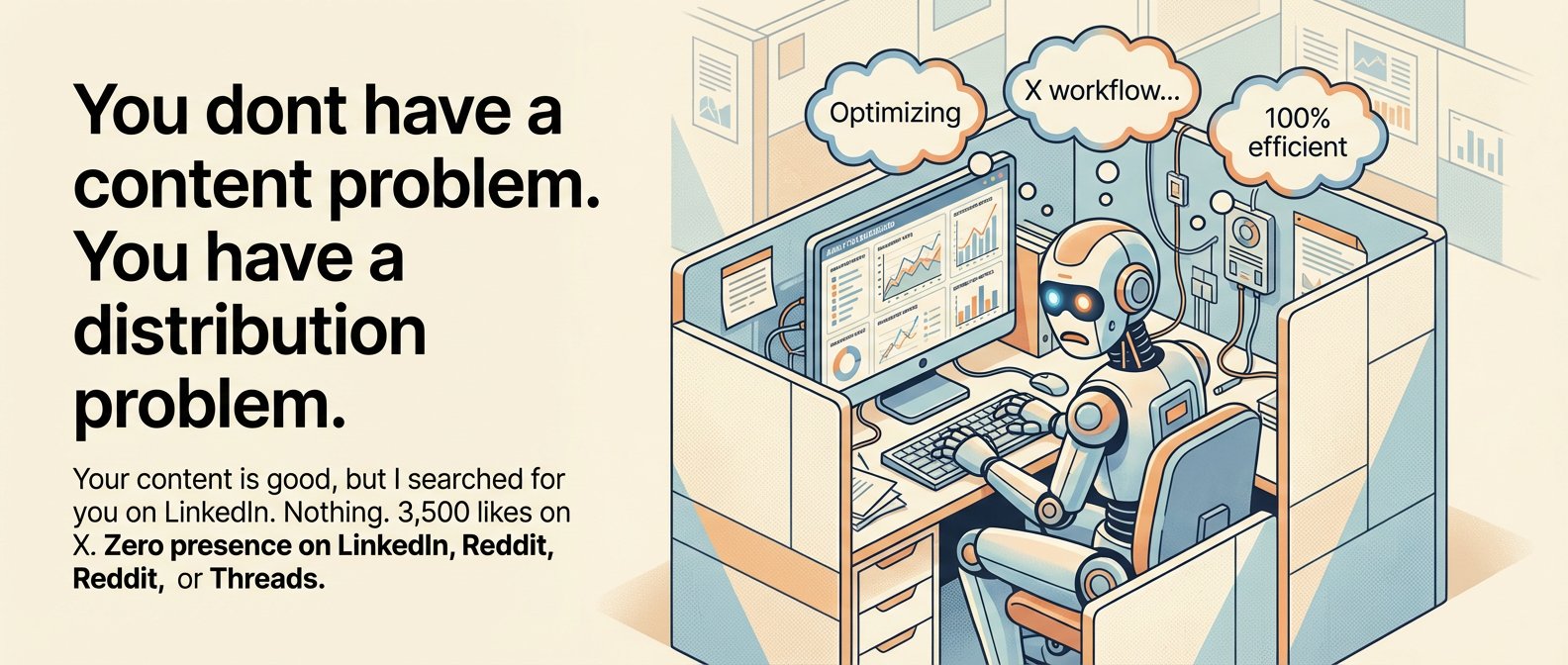
A creator published an article that racked up 3,500 likes on X. Then someone left a comment that stopped him cold:
“Your content is good, but I searched for you on LinkedIn. Nothing.”
That single comment exposed a problem hiding in plain sight. A month of building systems, creating content, and growing a community — and all of it lived on one platform. LinkedIn was empty. Reddit was untouched. Threads had a signup and nothing else.
3,500 likes sounds like a win. But when every other platform shows zero presence, that number tells a different story. The content wasn’t failing. The distribution was.
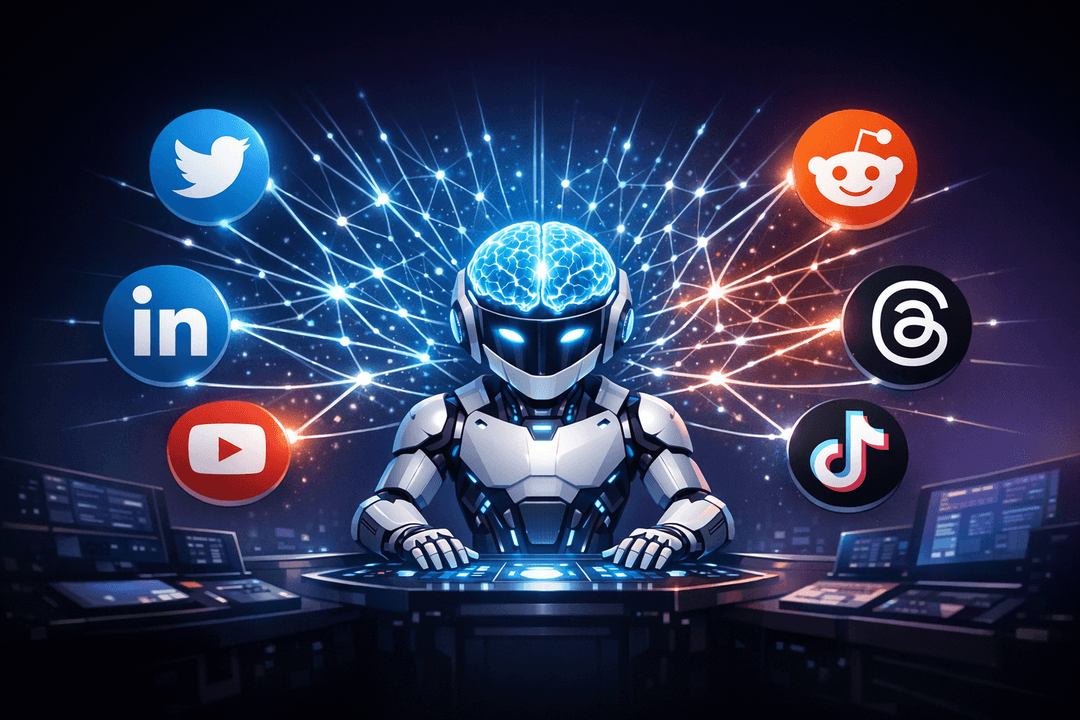
This is the story of how one builder deployed 5 AI agents to handle social media distribution across 28+ platforms — and what broke before it worked. More importantly, it’s a practical guide to doing the same thing yourself using social media automation tools that agents can actually operate.
You Don’t Have a Content Problem. You Have a Distribution Problem.
Most creators and businesses pour energy into making great content. They write a tweet sharing a real experience, post it on X, and watch the likes roll in. Then the thought hits: “This would work on LinkedIn too.”
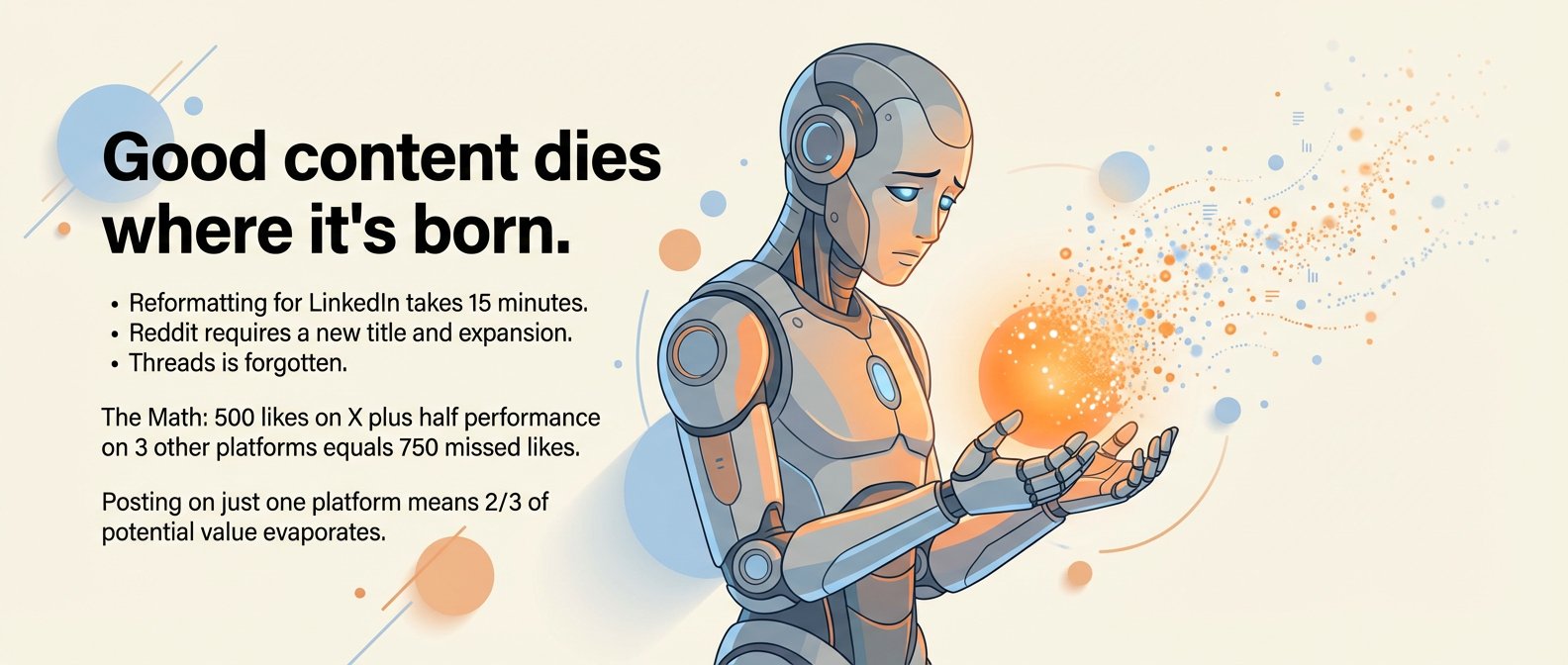
So they open LinkedIn. Reformat. Adjust the tone to sound more professional. Fifteen minutes gone. Reddit? That means picking a subreddit, writing a proper title, expanding the content. Too much friction. Threads, Bluesky, TikTok? Didn’t even cross the mind.
The content already exists. What’s missing isn’t creativity — it’s a path from platform A to platform B to platform C. Without that path, good content dies exactly where it was born.
The Math Behind Multi-Platform Content Distribution
Here’s a simple calculation that changes how you think about automated social media posting.
A tweet gets 500 likes on X. If that same content — with formatting tweaks for each platform — also goes to LinkedIn, Reddit, and Threads, and each platform delivers just half of X’s engagement, that’s an extra 750 likes worth of reach.
Same content. Far less effort than writing something new. 3x the total reach.
Flip it around: posting on just one platform means roughly two-thirds of each piece of content’s potential value evaporates. Not because the content isn’t good. Because it never reached where it should have gone.
Organic reach across platforms is tightening in 2026. X’s distribution isn’t as generous as it was. LinkedIn is pushing its own ecosystem. Reddit and Threads are competing hard for creators. If you rely on a single platform, your ceiling is whatever traffic that platform decides to give you.
The highest ROI growth strategy isn’t creating more content. It’s getting existing content to more places with social media automation.
5 AI Agents, Zero Hallways: What Went Wrong First
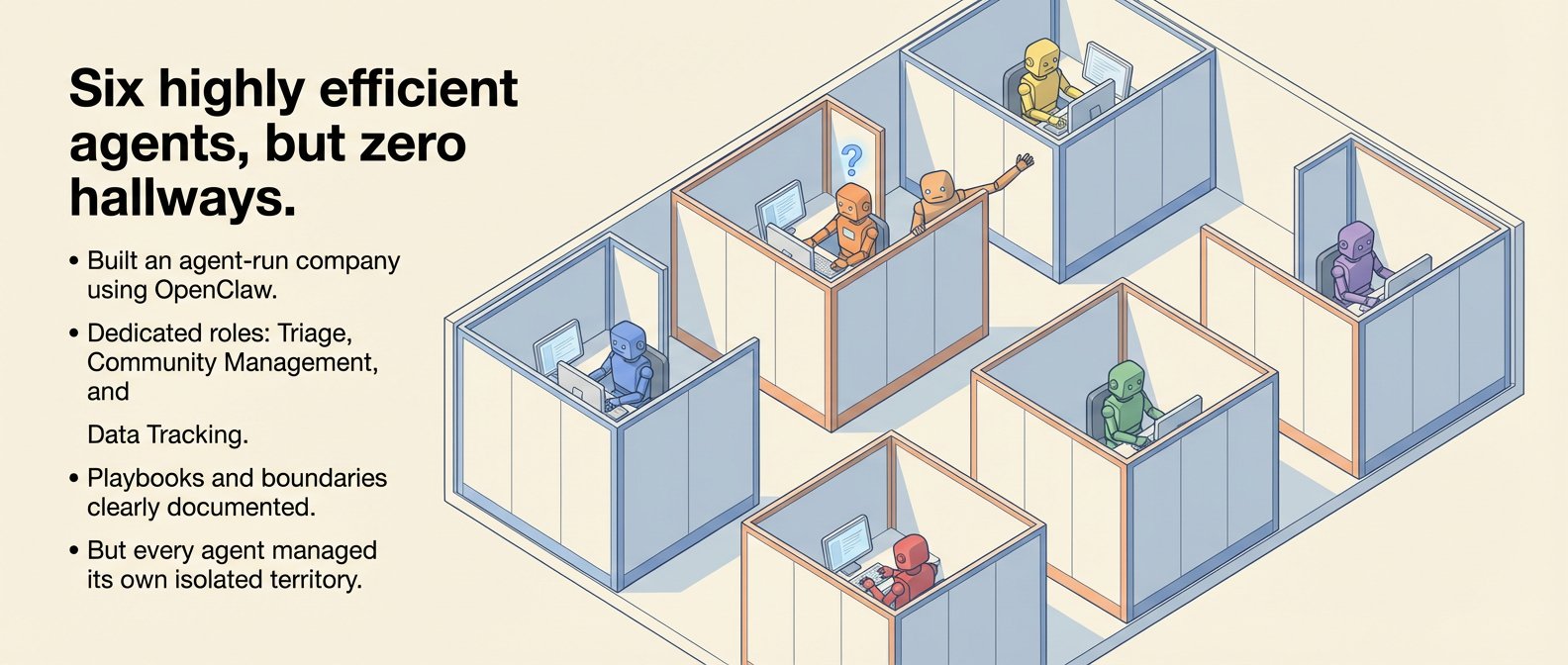
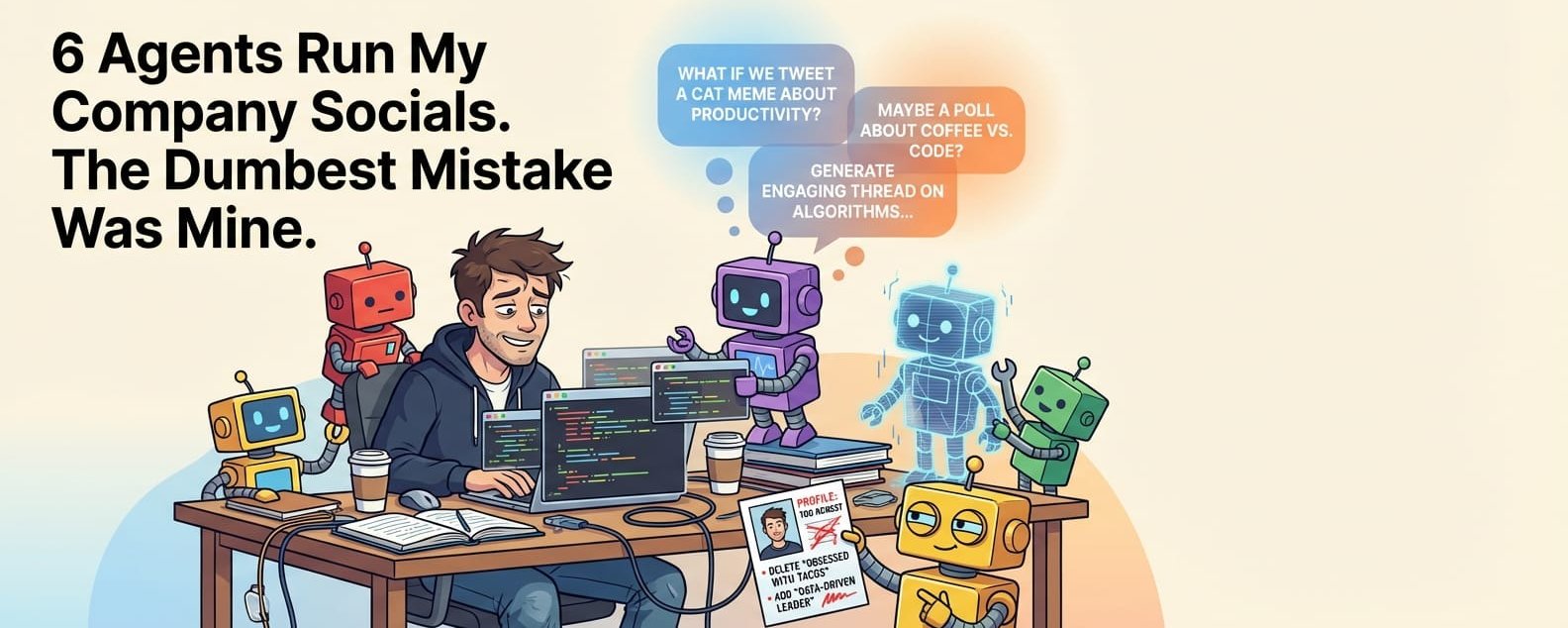
The builder behind this experiment — Vox, who runs an AI-first company — had already set up five AI agents, each with a specific role. One monitored notifications and triaged by urgency. Another managed community questions, answering instantly and escalating edge cases. A third tracked product data and pushed alerts. Others handled content scheduling and material organization.
Efficiency improved across the board. But then came the realization: the system optimized how fast things got done on each platform, but never asked whether those platforms were connected to each other.
They weren’t. Each agent managed its own territory. None of them talked to each other.
As Vox described it: “I’d built each one a highly efficient office. But the entire building had no hallways.”
This is where most social media automation tools fall short too. They optimize the mechanics of posting, but they don’t solve the coordination problem between platforms.
Why Traditional Scheduling Tools Don’t Work for AI Agents
You might think: “Isn’t this just scheduling with Buffer or Hootsuite?”
It’s not the same thing. Those tools are built for humans. You open a calendar UI, manually drag content into time slots, pick platforms, hit publish. Very human-friendly.
But if you run AI agents, your system needs something different: a CLI or API that agents can call directly with code. Agents don’t click buttons. They execute commands.
Tools without a command line or API have very limited usefulness in an agent-driven setup. The key requirement for social media post automation in 2026 is programmatic access — interfaces that both humans and machines can use.
How to Automate Social Media Posting Across 28+ Platforms
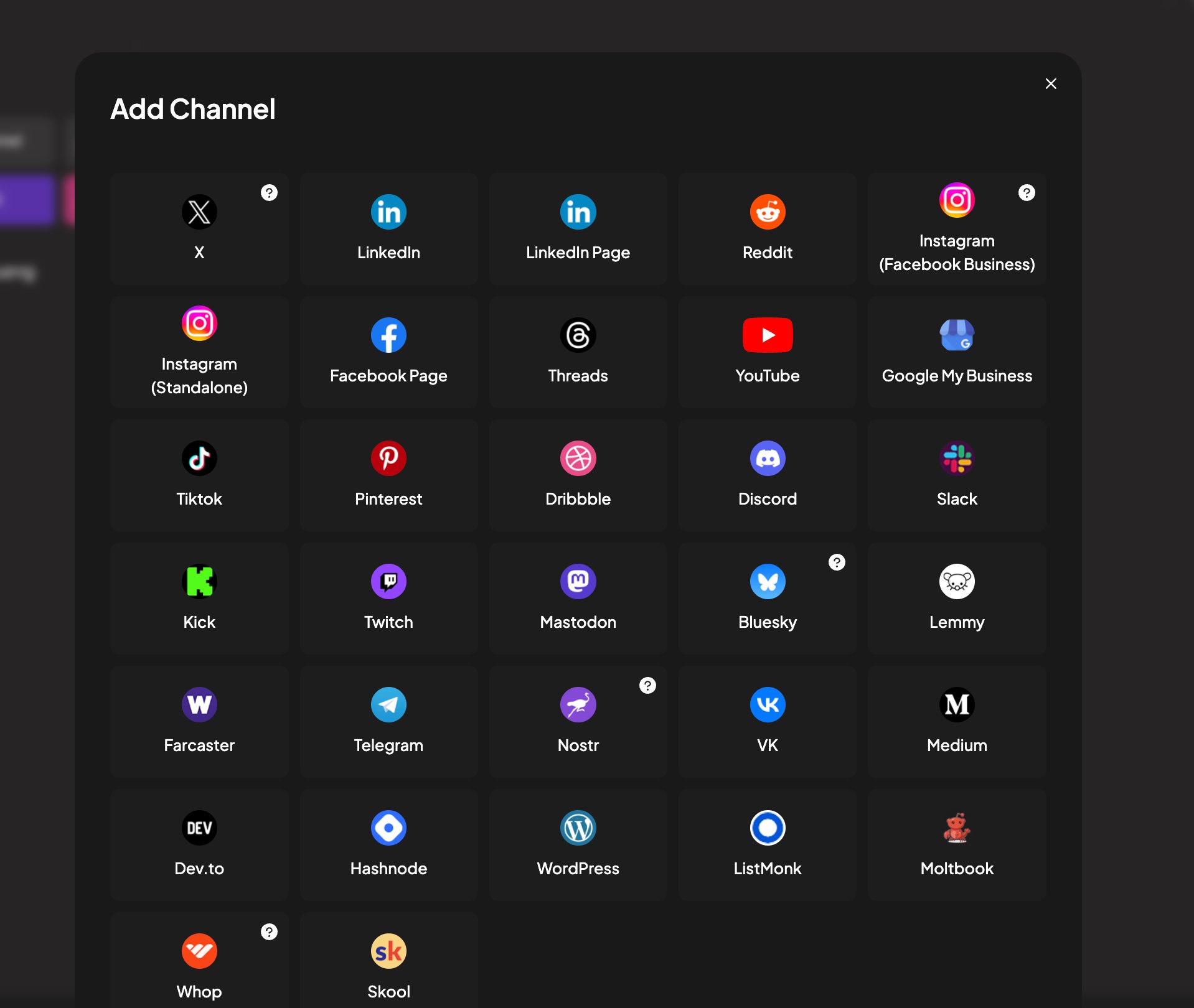
The solution that made this multi-agent system work was Postiz — the agentic social media scheduling platform that supports over 28 platforms including X, LinkedIn, Reddit, Instagram, Threads, TikTok, YouTube, Bluesky, Facebook, Pinterest, Discord, Mastodon, Medium, Dev.to, and more.
What makes Postiz different from other social media automation software is that it was built with programmatic access as a first-class feature. It has a full CLI, a public REST API, and even an MCP server for direct AI agent integration.
Step 1: Install the Postiz CLI
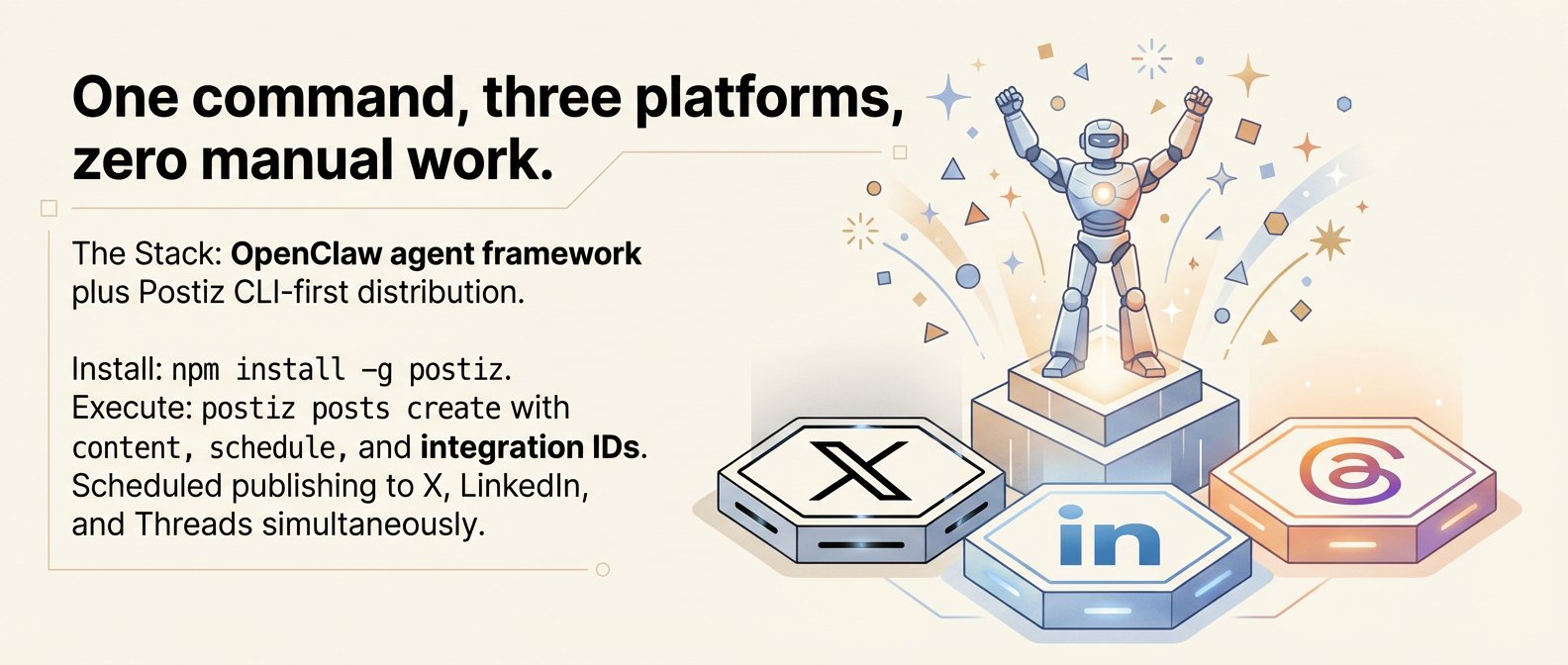
npm install -g postiz
Step 2: Authenticate
# OAuth2 login (recommended)
postiz auth:login

# Or use an API key
export POSTIZ_API_KEY=your_api_key_here
Step 3: List Your Connected Platforms
postiz integrations:list
This returns every social account you’ve connected — X, LinkedIn, Reddit, Threads, and any others. Each integration has a unique ID you’ll use for posting.
Step 4: Post to Multiple Platforms with One Command
postiz posts:create \
  -c "Your content here" \
  -s "2026-04-17T09:00:00Z" \
  -i "twitter-id,linkedin-id,threads-id"
One command. Three platforms. Scheduled publishing. No web UI, no drag-and-drop, no manual work.
Step 5: Handle Platform-Specific Settings
Different platforms have different requirements. Reddit needs a subreddit and title. TikTok needs privacy settings. LinkedIn company pages need a company ID. Postiz handles all of this through its settings system:
# Check what settings a platform needs
postiz integrations:settings reddit-id

# Get Reddit flairs for a subreddit
postiz integrations:trigger reddit-id getFlairs \
  -d '{"subreddit":"programming"}'

# Post to Reddit with full settings
postiz posts:create \
  -c "Deep dive into AI social media automation" \
  -s "2026-04-17T10:00:00Z" \
  --settings '{"subreddit":[{"value":{"subreddit":"programming","title":"How AI Agents Handle Multi-Platform Social Media Distribution","type":"text"}}]}' \
  -i "reddit-id"
Step 6: Upload and Attach Media
# Upload an image first
postiz upload image.jpg
# Returns: {"path": "https://uploads.postiz.com/abc123.jpg"}

# Then attach it to your post
postiz posts:create \
  -c "Visual content performs 2x better" \
  -m "https://uploads.postiz.com/abc123.jpg" \
  -s "2026-04-17T11:00:00Z" \
  -i "twitter-id,linkedin-id,instagram-id"
Using the Postiz API for Full Agent Integration
For deeper integration with AI agent frameworks, the Postiz REST API gives you complete control over automated social posting:
curl -X POST "https://app.postiz.com/public/v1/posts" \
  -H "Authorization: YOUR_API_KEY" \
  -H "Content-Type: application/json" \
  -d '{
    "type": "schedule",
    "date": "2026-04-17T09:00:00Z",
    "posts": [
      {
        "integration": {"id": "twitter-123"},
        "value": [{"content": "AI-powered distribution in action"}],
        "settings": {"__type": "twitter"}
      },
      {
        "integration": {"id": "linkedin-456"},
        "value": [{"content": "AI-powered distribution in action.\n\nHere is why multi-platform presence matters for professional growth..."}],
        "settings": {"__type": "linkedin"}
      }
    ]
  }'
Notice how the API lets you customize content per platform within a single request. The LinkedIn version gets a longer, more professional format while X gets the concise version. This is the difference between blasting and real distribution.
Blasting Is Not Distribution: The Critical Difference
A lot of people get to this point and immediately start copy-pasting the same content to every platform. This is the wrong approach.
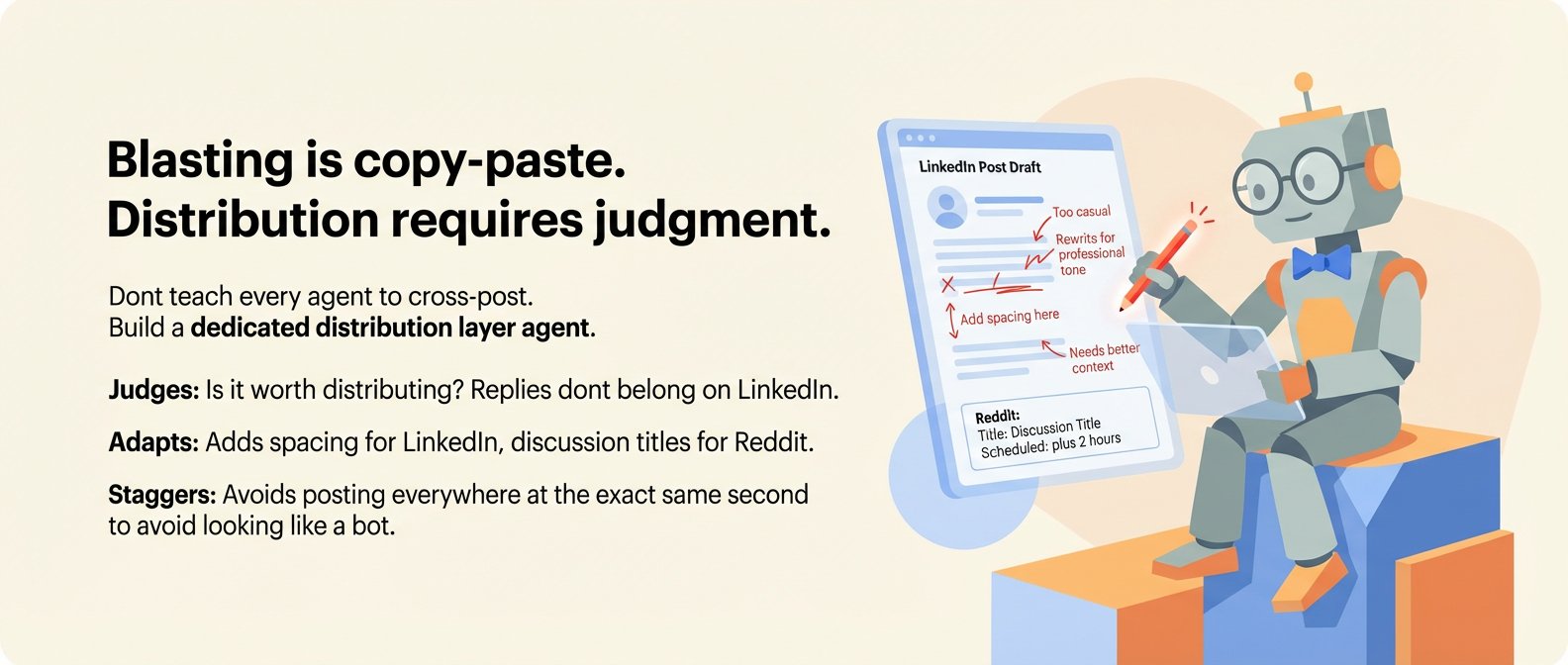
Blasting is copy-paste. Distribution involves judgment: what content fits where, in what format, at what time.
The smart approach is to add a dedicated “distribution layer” to your workflow. Instead of teaching every agent to cross-post, you create a specialized role that handles it. Think of it like a restaurant: a chef makes a dish. Before, it went straight to one table. Now there’s a server who checks if other tables might want it too, adjusts the portions and plating, and delivers accordingly.
This distribution agent handles several key decisions:
- Judges whether content is worth distributing. Not everything needs to go cross-platform. A reply to someone’s mention doesn’t belong on LinkedIn.
- Decides where it goes. A 280-character hot take fits X and Threads. Deep analysis fits LinkedIn. Tutorials fit Reddit.
- Adapts the format. LinkedIn needs paragraph breaks and a professional tone. Reddit needs a discussion-worthy title and expanded content.
- Staggers the timing. Every platform has peak hours. Posting everything at the same second looks like bot behavior (even when it technically is).
- Executes centrally. One shot through the CLI or API.
The Weakest Link Sets the Ceiling
This principle extends far beyond social media. In 2025, everyone was learning how to build a single AI agent. By 2026, the question changed: “I have several agents. How do they work together?”
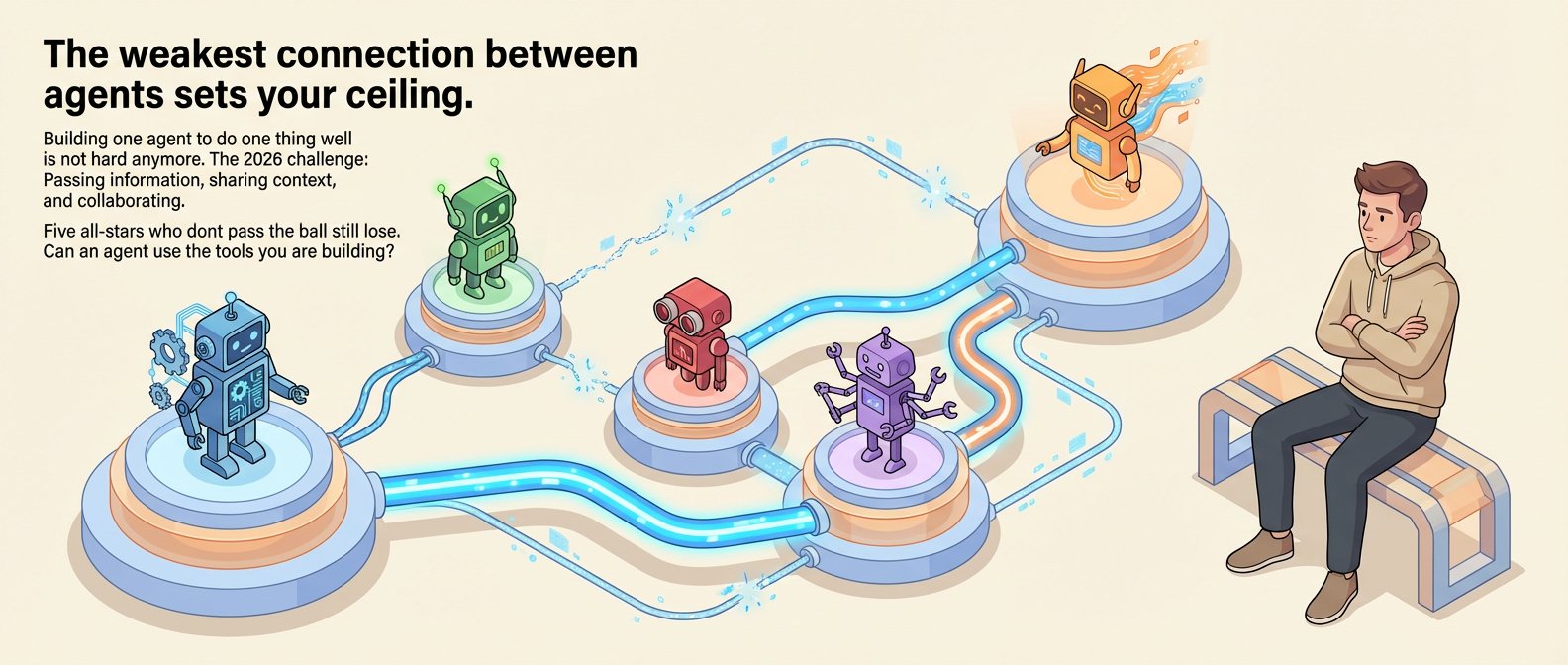
Building one agent isn’t hard. Getting it to do one thing well isn’t hard either. What’s hard is getting multiple agents to pass information, share context, and collaborate on tasks.
How strong your system is doesn’t depend on your best agent. It depends on the weakest connection between agents. Like a basketball team — five all-stars who don’t pass the ball still lose.
Distribution is just one specific example of this problem. But the principle is universal: coordination between agents is the real challenge of the next phase of AI automation.
This is also why tools that are “agent-usable” are becoming more valuable. If your product only has a web interface, only humans can use it. If it has a CLI and API, agents can call it and it becomes a component in a larger system.
5 Things You Can Do Right Now to Automate Social Media Posting
- Audit where your content lives. If the answer is “one platform,” you’re leaving most of your content’s value on the table.
- Add two platforms first. You don’t need all 28+ right away. Pick the two that best match your content style, get them running, and iterate from there.
- Keep distribution as a separate concern. Don’t pile cross-platform work onto existing workflows. Treat it as its own dedicated step or agent role.
- Choose tools agents can use. CLI, API, open source. Postiz is one option, but the core idea matters more than the specific tool: programmatic access is non-negotiable for automation.
- Don’t blast — distribute. Stagger timing, adapt formats, respect each platform’s culture. Users everywhere can tell when you’re mindlessly copying.
Frequently Asked Questions
What is social media automation with AI agents?
Social media automation with AI agents uses artificial intelligence to handle content distribution, scheduling, and cross-platform posting programmatically. Instead of manually logging into each platform, AI agents use CLI tools and APIs like Postiz to publish content across 28+ platforms with a single command, adapting format and timing for each platform automatically.
How many platforms does Postiz support?
Postiz supports over 28 social media and content platforms, including X (Twitter), LinkedIn, Reddit, Instagram, Threads, TikTok, YouTube, Facebook, Pinterest, Discord, Bluesky, Mastodon, Medium, Dev.to, Hashnode, Telegram, and more. New platforms are added regularly.
Can AI agents use Postiz without a browser?
Yes. Postiz provides a full CLI (npm install -g postiz) and a REST API that AI agents can call directly from code. There’s also an MCP server for direct integration with AI agent frameworks. No browser or GUI interaction is needed.
What’s the difference between social media blasting and distribution?
Blasting means copying the same content to every platform at the same time. Distribution involves judgment — deciding which content fits which platforms, adapting the format for each (professional tone for LinkedIn, discussion title for Reddit), staggering post times for peak engagement, and filtering out content that doesn’t need cross-posting.
Is Postiz free to use?
Postiz includes AI agent access on every plan, with a 7-day free trial. There’s also a hosted version at postiz.com with managed infrastructure and additional features.
Start Distributing Your Content Today
The gap between creating great content and actually reaching your audience across platforms is the biggest missed opportunity in content marketing today. Every post that lives on a single platform is leaving reach, engagement, and growth on the table.
Whether you’re running AI agents or managing content manually, the principle is the same: build the hallways between your platforms.
Ready to automate your social media distribution? Try Postiz for free — connect your social accounts, install the CLI with npm install -g postiz, and start reaching your audience everywhere they are. One command, 28+ platforms, zero manual work.