Keeping up with how media is consumed has become a genuine challenge for anyone in the brand world. Consumers understand their own patterns but rarely stop to understand anyone else’s. In advertising and marketing especially, this creates a blind spot. The industry still leans on an outdated ecosystem, and even its social media thinking tends to be narrower and older than what actual audiences are engaging with right now.
Marketing strategist Oren John recently dropped a YouTube video called “The Internet Codes,” and it kicked off a thread of follow-up writing on the new formats shaping how audiences discover brands. The observations are worth pulling together in one place — because if you’re operating a brand in 2026 and you don’t have a clear plan for what’s covered below, you’re already losing the demographics that matter most for the next decade.
What follows is a tour of a small set of interlocking concepts: a brand-goals chart that maps platforms in a way most marketers haven’t seen, live streaming as a daily background medium for Gen Alpha and younger Gen Z, the paid clipping ecosystem that compounds organic reach, the Jubilee format engineered for virality, and why the traditional agency model is breaking down in front of all of this. Along the way, we’ll show how a creator-first scheduling stack — like Postiz — plugs into each of these new workflows so that you can actually participate instead of just reading about it.
The Normie-to-Fringe Chart, Revisited
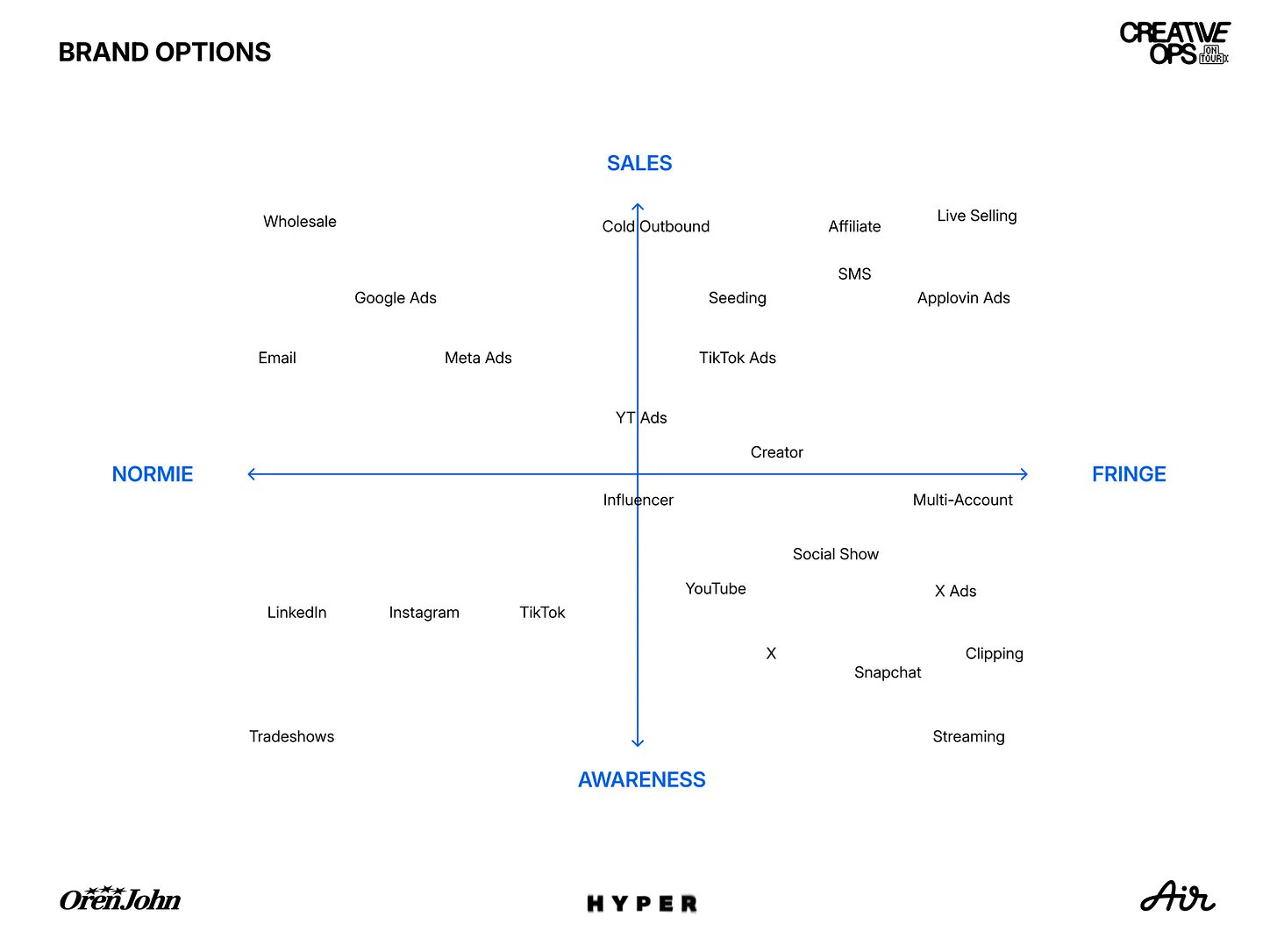
The chart Oren has been using in his 2026 brand strategy workshops maps brand goals against the platforms worth exploring. The two axes are straightforward: Normie-to-Fringe on the horizontal, Sales-to-Awareness on the vertical. What’s useful about it is the placement — it forces you to see that every brand in the $50M+ range has a brand awareness problem with new consumers that they dramatically under-estimate.
At both ends of the chart — sales on one pole, awareness on the other — the same underlying format keeps appearing: live video. Someone on camera talking to an audience, sometimes huge, sometimes small.
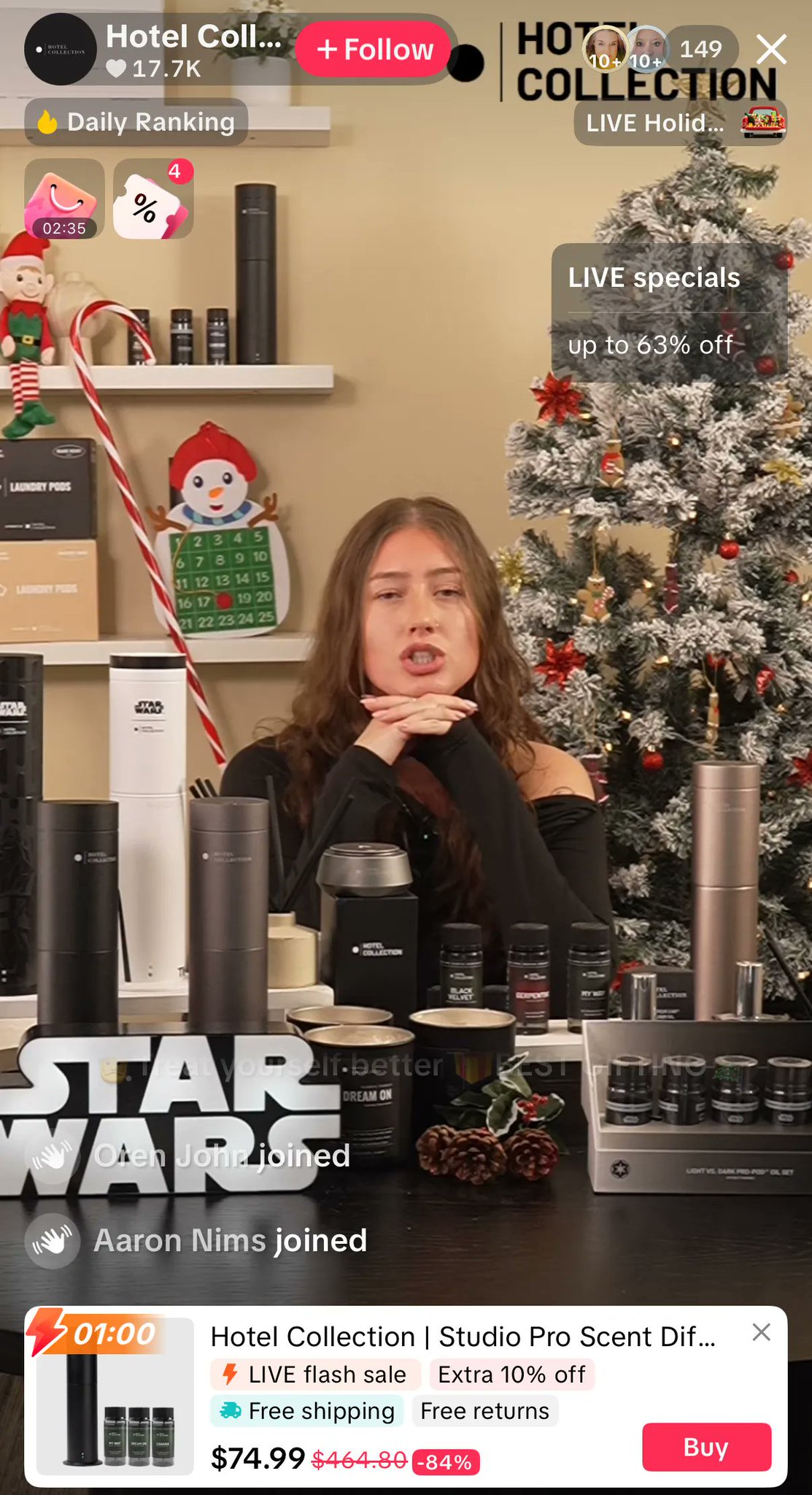
On the sales end, that’s live selling. On TikTok Shop and similar platforms, a host or creator sells items people can purchase in real time. QVC becoming a top seller on TikTok Shop isn’t a coincidence. Live selling is an established purchase method overseas that has been gaining real domestic traction, and a surprising share of the top TikTok Shop live sellers are Spanish-language creators. That matters — it’s a clear illustration of different consumer groups buying on channels most brands haven’t tested.
On the awareness end of the chart, you have general live streaming. That primarily happens on Twitch. Its competitor Kick is gaining ground. YouTube has a version. And for a much smaller but very specific market, there’s X.
Why You Should Pay Attention to Live Streaming
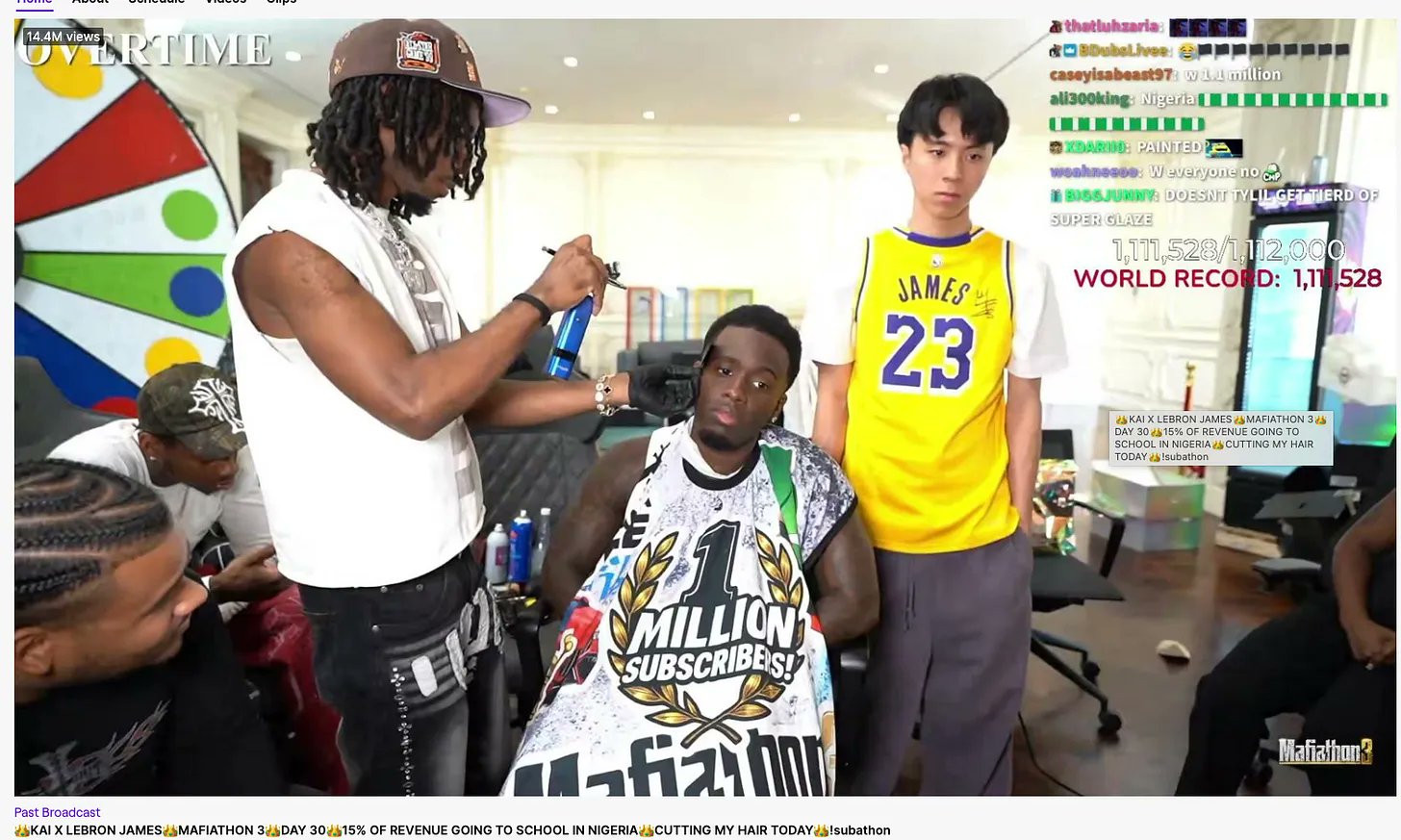
Gen Alpha and the younger end of Gen Z have a stream running for a meaningful portion of their day. Homework, hanging out, gaming — there’s a stream on a monitor or a phone the whole time. In those streams you’ll see popular creators like Kai Cenat, niche gamers, and cultural events like the multi-day livestreams you’ve probably seen headlines about.
The same dynamic is playing out with other demographics. More older professionals than ever have found this through TBPN on X — a multi-hour stream where founders like Travis Kalanick or Marc Benioff sit down with the hosts while tech workers keep the feed running in the background of their vibe-coding day. Think of it as one long podcast, but with a key difference.
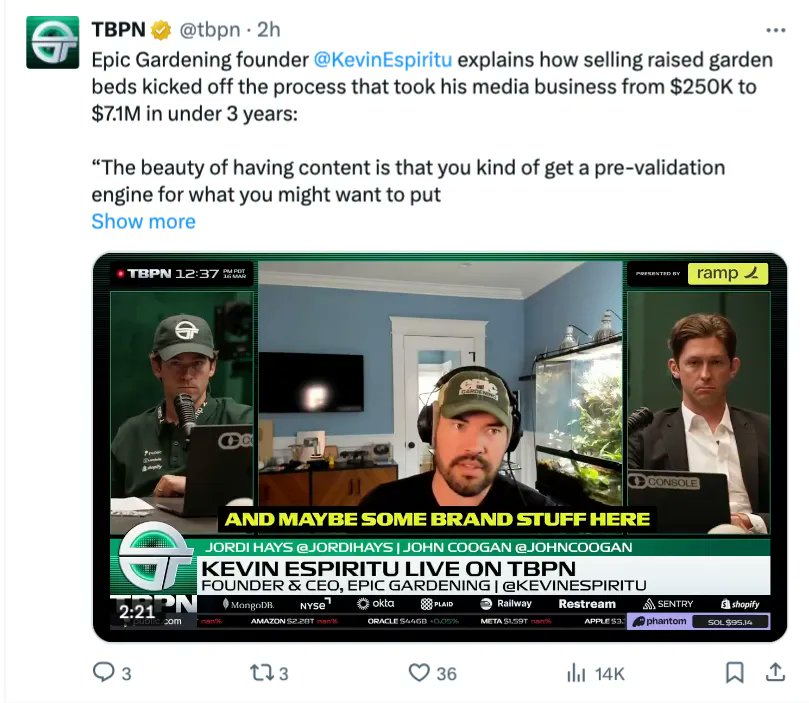
It’s passive. Very little is retained actively — it’s on in the background. But when something does land, it’s interactive and shareable. You can drop a comment, get a response, or just engage with others in chat in real time. With smaller streamers especially, there’s a real sense that if you have a question, you can just ask it and get an answer.
Why should a brand care? If your target market skews male, say 21 to 30, you probably have a rough sense of how you’re reaching them now — or you’re starting to feel like that’s slipping. In five years, essentially all of that consumer demographic is going to consume media like this. Not lightly, either. A majority of their first introductions to brands you’d otherwise assume everyone “just knows” — Old Spice, Right Guard, the category defaults for young men — are going to come from things they encountered in and around streaming. If you don’t want to lose that demographic entirely, you need to start building a presence in this ecosystem now. Whether that means participating, sponsoring, or just having a written plan, inaction is the most expensive choice.
This is where the traditional agency model starts to break down. Most agencies don’t have the fluency to navigate this. They did a terrible job with the last wave of social media, and most still haven’t figured it out. There are some very good Meta-focused agencies, a handful of solid paid-search and email shops. But on the cutting-edge front, the curve is going to get steeper and faster, and more and more brands are going to be left without a real answer or partner.
Clipping: What Happens to a Stream Afterward
Streaming isn’t just about what happens live. It’s about what happens to that content afterward.
A clipper is someone who takes longer-form media — a seven-hour stream, a long YouTube video, even older short-form clips — and repurposes it for virality. This works a few ways.
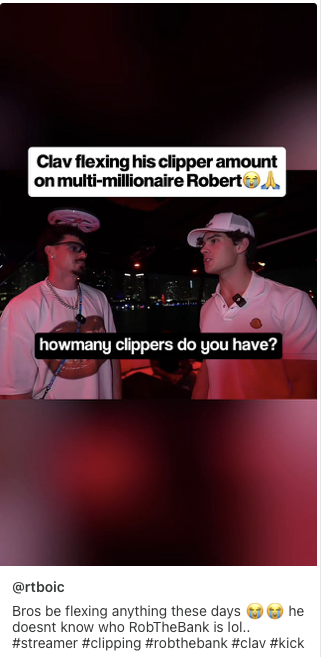
Sometimes a streamer’s own team does it. TBPN, for example, has accounts where their media team cuts the top moments down for promotion. But the more prominent and effective version is the paid ecosystem around clipping. Platforms like Whop and services like Zagged operate on a bounty system: clippers are paid a CPM based on the views they generate. It’s essentially buying traffic, except the content doing the work is organic-feeling video.
These clips typically come from accounts made specifically to clip a lot of content, dedicated accounts for a particular project, and a broader ecosystem of social accounts working in concert. What people from traditional media don’t understand is the scale. Hundreds of clippers might work on a single popular personality. The views compounding across that network can reach into the millions, tens of millions, or hundreds of millions per day.
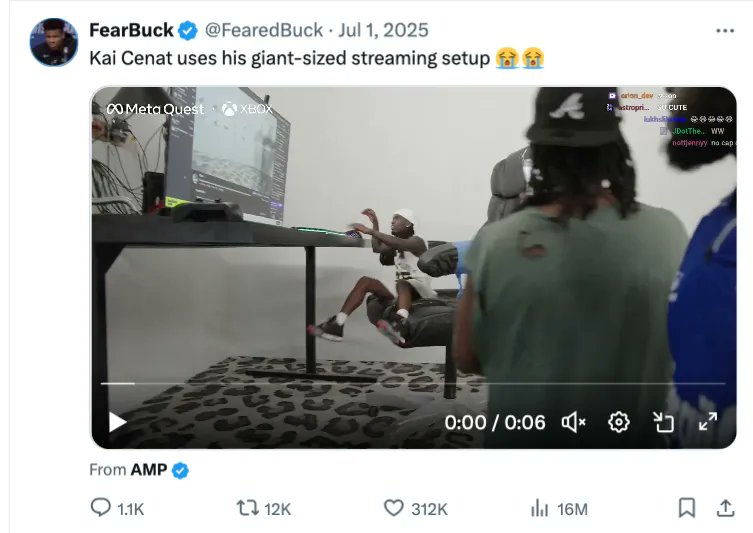
There’s also a curator layer. Someone like FearBuck on X aggregates these moments and cross-posts them to audiences who primarily live on legacy social networks — usually incentivized directly from the streamer, the platform, or paid by X. The reason anyone would bother tapping X for this is simple: deliberate manipulation of the older media generation.
By seeding something on Twitter with enough apparent momentum, you create the perception that something is getting big, which then prompts legacy internet users to pay attention. A GQ or New York Times piece about a streamer doesn’t happen without that groundwork being laid first on X to convince legacy media that something is culturally significant.
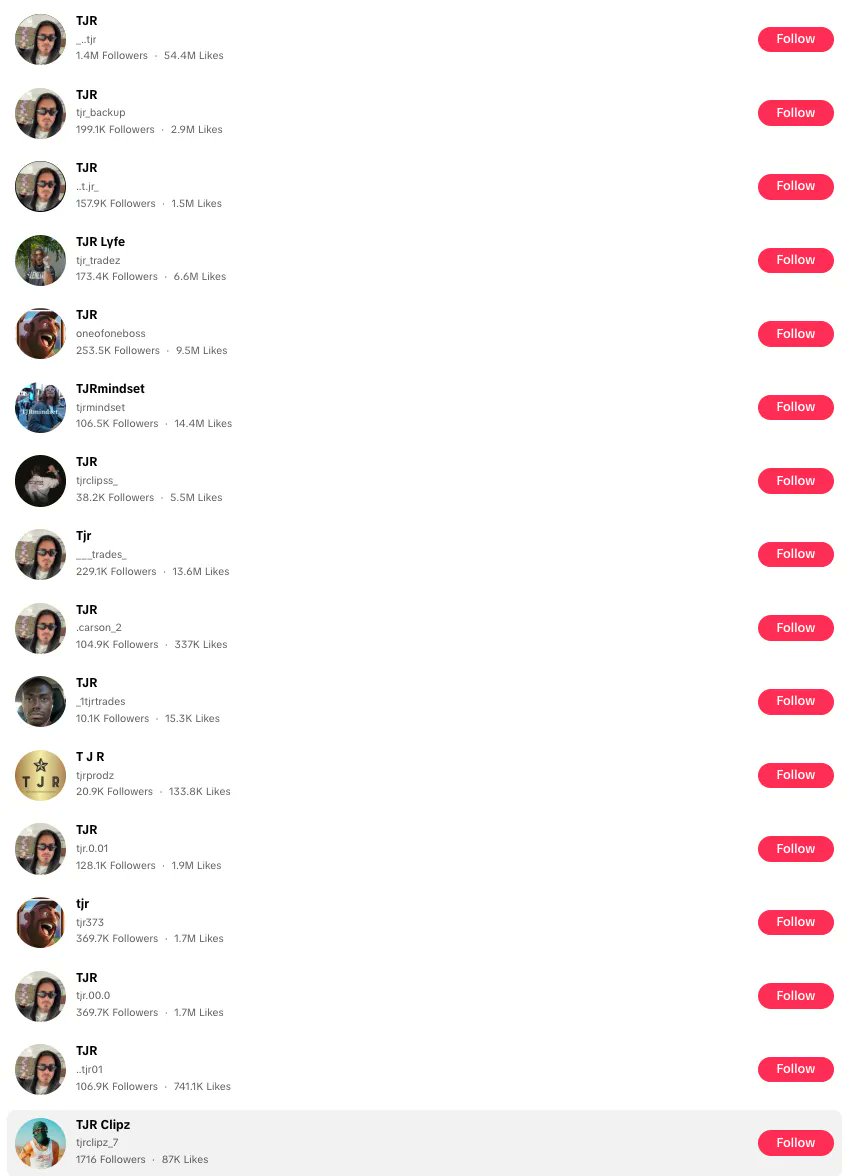
No one likes to admit they’re being gamed. But this is happening constantly, at scale.
Why This Matters Right Now
This week has been a clean example. A relatively frivolous lawsuit was filed against David protein bar, rooted — at its core — in a misunderstanding about how calories are measured in certain foods and how a particular ingredient works. Some context here.
At the same time, a new brand called Leaked Labs — founded by popular influencers The Lipstick Lesbians — is releasing beauty formulas in small batches that otherwise never would have made it to consumers. The packaging is intentionally raw; the brand is designed to bring to market things developed in labs but not commercially scaled. Consumer reception has been uncertain — people don’t understand what they’re looking at, and the TikTok mob rose up.
Both cases generate the kind of complex conversation online that people misread and get angry about, especially on TikTok. Consumers don’t read into the nuance. They assume they’re being screwed. They believe a lawsuit before it’s been decided. They misread a brand’s intent and assume they’re being charged top dollar for something untested. In a social media ecosystem where anger travels faster than nuance, there’s almost no effective way for a brand to control the narrative through traditional channels.
David did the right thing. They got a range of voices — food scientists and people who actually work on the product — in front of their audience to explain exactly what’s happening. They posted it organically, boosted it as an ad. That’s the right instinct. See the response here.
Here’s the problem. Your brand account has limited reach. Your message, no matter how clear and accurate, no matter the dollars you put behind it, will never match the collective reach of thousands of smaller creators all sharing an angry take — regardless of how uneducated that take is. Mainstream media will write about it days later, and the only people who read it will live in New York.
There is no effective way to get your narrative out through any traditional channel.
The only real answer is the ecosystem described above. Do you have a network of creators who work with you and are willing to distribute your message? Do you have the ability to take a longer, more substantive piece of content and clip it in a way that will actually travel? That last part matters. For something to be clipped it has to be compelling enough to move organically. You can incentivize clippers all you want, but if the source material is boring, it goes nowhere.
If you do have compelling content and the right incentive structure, you can get your message out through this ecosystem in a way that no agency is currently set up to help you with. Very few brands are operating at the fringe enough to even understand these tools yet. That’s exactly why it’s worth writing about.
Where Postiz Fits In
Everything in the clipping playbook compounds based on one simple variable — how many distribution points can you push a single piece of content through, reliably, without a team the size of an agency?
This is exactly what Postiz was built for. A single post — whether it’s your own long-form stream clip, a brand response video, or a Jubilee-format soundbite — can be scheduled once and pushed simultaneously to 28+ platforms from one interface: X, LinkedIn, Instagram, TikTok, YouTube, Reddit, Pinterest, Threads, Bluesky, Facebook, Mastodon, Discord, Telegram, WordPress, Medium, Dev.to, Hashnode, and more. If you’re running a clipping operation, every clipper account you control can be funneled through the same dashboard — and the scheduling queue does the compounding for you.
For the technically inclined, Postiz exposes three distribution surfaces you can plug into directly:
1. The Public API. A single POST /posts endpoint takes a list of integration IDs and a list of posts (with platform-specific settings), and publishes or schedules them. This is the right layer if you have a content pipeline — a stream-to-clip workflow, a Whop-style bounty system, or a brand crisis-comms queue — and want to push the output to dozens of accounts in one call:
curl -X POST https://api.postiz.com/posts \
  -H "Authorization: Bearer $POSTIZ_API_KEY" \
  -H "Content-Type: application/json" \
  -d '{
    "type": "schedule",
    "date": "2026-04-22T14:00:00Z",
    "integrations": [
      { "id": "twitter_integration_id" },
      { "id": "linkedin_integration_id" },
      { "id": "tiktok_integration_id" }
    ],
    "posts": [
      {
        "integration": { "id": "tiktok_integration_id" },
        "value": [{ "content": "The clip your brand needed.", "image": [{ "path": "https://uploads.postiz.com/clip.mp4" }] }],
        "settings": { "__type": "tiktok", "privacy_level": "PUBLIC_TO_EVERYONE", "duet": true, "stitch": true }
      }
    ]
  }'
2. The CLI. For creators and small teams who live in the terminal, the postiz npm package exposes the same capability without writing HTTP calls:
postiz upload clip.mp4
postiz posts:create \
  -c "The clip your brand needed." \
  -s "2026-04-22T14:00:00Z" \
  -m "https://uploads.postiz.com/clip.mp4" \
  -i "twitter_id,linkedin_id,tiktok_id"
3. The MCP server. If you’re already using Claude, ChatGPT, or Cursor as part of your content workflow, Postiz ships an MCP endpoint at https://api.postiz.com/mcp that gives the agent eight tools — integrationList, integrationSchema, schedulePostTool, generateImageTool, generateVideoTool, and a few others. The agent can plan a clipping release and execute it in the same conversation. This is how a one-person content operation competes with a clipping agency.
The point isn’t the technology. The point is that the ceiling on how many accounts you can coordinate used to be the ceiling on your reach. With the right scheduling stack, that ceiling is gone.
The Jubilee Format
One more concept worth understanding before tying this together.
You’ve probably seen the Jubilee format online. One conservative versus twenty liberals. One millennial against seven angry teachers. A room, a structured debate, a series of people coming up to challenge one person or idea.
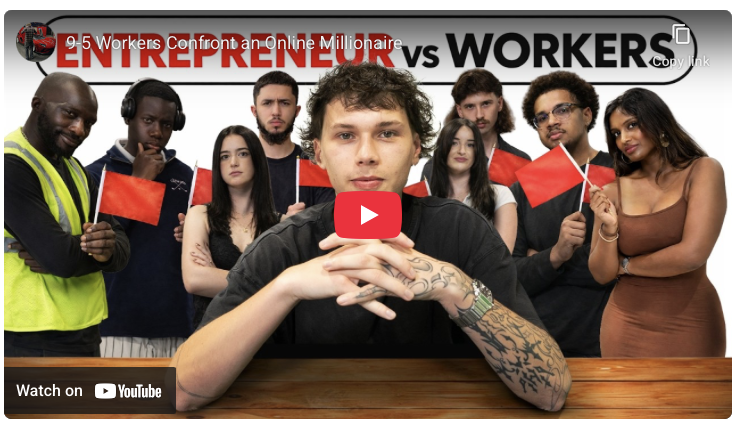
People associate it with politics, but it’s spreading fast. A young course seller named Brez Scales, who specializes in a course on using Facebook ads for fashion brands, did over a million views in a single day on YouTube with his version: one course seller versus ten people who work nine-to-fives. The premise is clearly scripted — he sits down, works through common objections to making money online, and dismantles them with a calm, confident delivery. He’s endearing. Unlike the political ones, the air is almost friendly. It works.
Air (the creative ops platform) did a version recently with three generations of marketers. They had Zaria, formerly of Duolingo; a frank and opinionated older Gen X marketer with some strong takes on DEI and no filter; and a millennial marketer who was, by design, a wishy-washy stereotype. They debated virality, hiring, cultural relevance. It was good content.
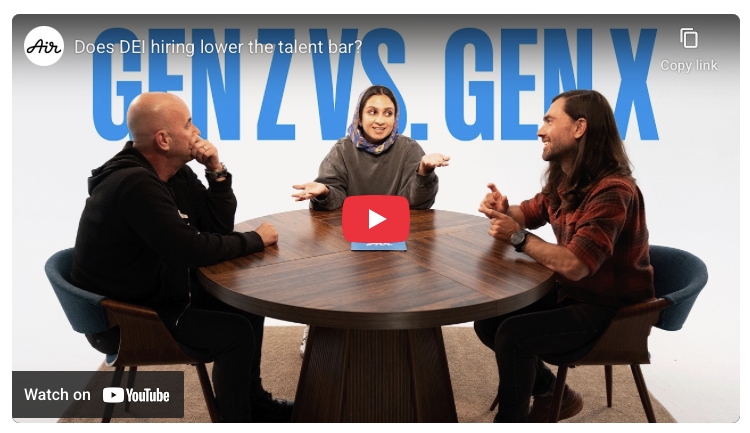
This format matters not just because people watch the full thing — though some do — but because it is engineered for clipping. Every single interaction is an opportunity for a quotable moment, a sharp rebuttal, a trap that gets laid, or a point that lands. That’s what travels. Two people having what looks like an organic conversation, one of them making a compelling point aggressively enough that it’s built to be shared.
In a crisis context, the Jubilee format is a serious tool. Imagine the David Protein founder sitting down with twenty skeptics. He already knows what they’re going to ask, because the objections are all over the internet. He has his answers, he delivers them clearly and likably, and then the clipping ecosystem does its work. The best moments get distributed across the internet for as long as the content has traction or the incentives are in place.
To master modern PR, promotion, and crisis communications, you have to know the toolkit of new networks and formats — or you’re playing an old game that simply can’t compete.
Where This Is All Going
People who look at all of this and say it’s too fringe, or that they don’t like what it implies about how media works, are describing a world that no longer exists. What came before was a curated media and TV ecosystem that required big dollars and agency access just to get a seat at the table. Now anyone can participate. The dollars only matter when they’re supported by content people actually want to watch. You can throw money at clipping a boring video and get nothing. You can boost dull content and reach people who won’t do anything with it. This, by the way, is your competition — and they’re not very good.
This is the era of organic power. Compelling messages that people actually want to watch find their own life, showcased by people who understand the mediums, and there are now multiple ecosystems available to accelerate that at a scale most agencies would find hard to believe.
We are early. If you’re reading this, you are very early.
Start Participating — From One Dashboard
The new media ecosystem rewards teams that can produce compelling content and distribute it through many accounts at once. The first half of that — being interesting — is on you. The second half — getting it out across X, TikTok, YouTube Shorts, Instagram Reels, LinkedIn, Reddit, Bluesky, Threads, and wherever your audience actually lives — is a solved problem.
That’s what Postiz does. Schedule once, publish everywhere, plug it into your AI workflows via the API or MCP, and let the clipping ecosystem and the feeds do the compounding. Try Postiz free and start shipping the kind of distribution playbook this article has been describing. You’re early. Act like it.