LinkedIn Newsletters have evolved from a simple feature into a powerful tool for building authority, nurturing professional relationships, and driving business growth. But with countless creators vying for attention in a crowded professional feed, how do you ensure your content doesn't just get sent, but gets read, shared, and remembered? It’s about more than just hitting 'publish' on a whim. Success requires a strategic approach that combines tangible value, unwavering consistency, and a deep understanding of what your audience needs and wants.
This guide moves past generic advice to deliver a comprehensive blueprint of LinkedIn newsletter best practices. We will provide specific frameworks, real-world examples, and actionable workflows needed to not only launch a newsletter but to make it a cornerstone of your professional brand. You won’t find vague tips here; instead, you’ll get a detailed breakdown of the tactics that separate top-performing newsletters from the ones that are instantly archived.
We will cover the essential strategies for creating a newsletter that truly connects and converts, focusing on a clear, step-by-step process. You'll learn how to master everything from crafting irresistible headlines and structuring your content for maximum readability to implementing a data-driven publishing schedule and fostering a genuine community around your work. Let’s dive into the essential practices that will transform your newsletter from a simple broadcast into a must-read appointment for your subscribers. This is your guide to creating a standout professional publication.
1. Consistent Publishing Schedule
One of the most foundational LinkedIn newsletter best practices is establishing and maintaining a consistent publishing schedule. Think of it as a pact with your audience. When subscribers know exactly when to expect your content, whether it's every Tuesday morning or the first Friday of the month, they are more likely to look for it, open it, and engage with it.
This regularity does more than just build reader habits. It also sends positive signals to the LinkedIn algorithm. Consistency demonstrates that you are a reliable and active creator, which can lead to better visibility and distribution for your newsletter. When your content appears predictably, it stays top-of-mind, preventing your hard-earned subscribers from forgetting why they followed you in the first place.
Why Consistency Matters
A regular cadence builds trust and anticipation. It transforms your newsletter from a random notification into a scheduled event in your readers' professional lives. For example, a weekly newsletter on project management that always arrives on Monday morning can become a go-to resource for professionals planning their work week. This reliability is key to fostering a loyal community around your content.
Key Insight: Consistency isn't about publishing daily; it's about being predictable. A high-quality monthly newsletter is far more effective than a rushed, low-value weekly one. The goal is to create a sustainable rhythm that your audience can depend on.
Manage all your social media in one place with Postiz
Putting a consistent schedule into practice requires planning and commitment. Here are actionable steps to make it manageable:
Choose a Realistic Frequency: Start with a cadence you know you can maintain. If you're a solo creator, a bi-weekly or monthly schedule might be more sustainable than a weekly one. It’s better to deliver consistently once a month than to aim for weekly and miss deadlines.
Use a Content Calendar: Plan your topics at least 4-6 weeks in advance. This prevents last-minute scrambling for ideas and ensures a steady flow of quality content.
Batch Your Content: Dedicate specific blocks of time to write and prepare several newsletter editions at once. For instance, you could spend one day writing all of your articles for the upcoming month.
Leverage Scheduling Tools: To ensure your newsletter goes out at the optimal time without manual intervention, using a scheduling tool is essential. You can learn more about how to schedule your LinkedIn content effectively to maintain your cadence effortlessly.
Communicate Changes: If you need to adjust your schedule, be transparent. A quick note in your newsletter or a post on your profile letting your audience know about the change shows respect for their time and attention.
2. Compelling Subject Lines and Headlines
Your subject line and headline are the gateways to your content. No matter how valuable your newsletter is, a weak headline will cause it to be ignored in a crowded inbox or feed. This is one of the most critical LinkedIn newsletter best practices because it directly impacts your open rates and initial engagement, serving as the first and most important call to action.
A compelling headline grabs attention by creating curiosity, promising tangible value, or speaking directly to a reader’s pain point. It’s your 8-12 word elevator pitch that convinces someone to click instead of scroll.
Why Headlines Matter
Your headline is in direct competition with dozens of other notifications and emails. A powerful headline cuts through the noise and makes an immediate impression. It sets the expectation for the content inside and frames the value proposition clearly. For instance, a headline like "5 Tactics That Increased Our Leads by 67%" instantly communicates a data-backed benefit, attracting readers who want similar results. This is far more effective than a generic title like "Marketing Tips."
Key Insight: The purpose of a headline isn't to summarize your entire article; it's to sell the click. It should make an irresistible promise or spark enough curiosity that the reader feels compelled to learn more.
How to Implement Compelling Headlines
Crafting effective headlines is a skill that blends creativity with strategy. Here are actionable steps to write headlines that get opened:
Use Numbers and Data: Headlines with numbers are highly specific and set clear expectations. For example, "The 3 Biggest Mistakes Founders Make in Year One."
Create a Curiosity Gap: Pose a question or make a statement that piques interest without giving everything away. A great example is, "What I Learned From 100 Rejected Job Applications."
Leverage "Power Words": Incorporate words that evoke emotion and action, such as proven, essential, exclusive, or unlocked.
Optimize for Mobile: Keep the most important information within the first 50 characters to ensure it isn't cut off on mobile devices, where most users will see it.
Address a Pain Point or Goal: Speak directly to your audience's challenges or aspirations. A title like "The One Thing Most Marketers Get Wrong About SEO" immediately resonates with its target audience.
3. Value-First Content Strategy
At the heart of the most successful LinkedIn newsletter best practices is a commitment to a value-first content strategy. This approach prioritizes providing your audience with genuinely useful, insightful, or entertaining information over direct promotion. Instead of leading with a sales pitch, you lead with value, building trust and establishing your authority in your field.
This model operates on a simple principle: give before you ask. By consistently delivering actionable advice, unique perspectives, and helpful resources, you create a loyal following that sees you as a credible expert. When the time comes to introduce a product or service, your audience is far more receptive because you've already proven your worth.
Why a Value-First Approach Matters
A value-first strategy shifts the dynamic from a transactional relationship to a trusted one. Your newsletter becomes a destination for professional development, not just another marketing email. For instance, an HR consultant like Anne Handley, whose newsletter offers practical workplace advice, builds a stronger community than one who only promotes their consulting packages. This approach cultivates an audience that not only consumes your content but also champions it.
Key Insight: Your subscribers' attention is a currency. Earn it by consistently delivering high-value content. The 80/20 rule is a great guideline: ensure 80% of your newsletter is pure value (education, insights, resources) and only 20% is promotional.
How to Implement a Value-First Strategy
Adopting a value-first mindset requires a strategic shift in how you plan and create your content. Here are actionable steps to put it into practice:
Start with Actionable Takeaways: Begin each newsletter with your most powerful insight. Structure your content so readers can immediately grasp 2-3 key takeaways they can apply to their own work.
Share Learnings and Mistakes: Transparency builds credibility. Share what you've learned from recent projects, including what went wrong. This humanizes your expertise and provides unique value.
Use the Inverted Pyramid: Present the most crucial information at the beginning of your article. This respects your readers' time and ensures they get value even if they only skim the first few paragraphs.
Incorporate a Subtle Call-to-Action (CTA): Instead of multiple hard sells, include one soft CTA. This could be a link to a relevant blog post, an invitation to a webinar, or a question to spark discussion in the comments.
Curate Deeper Resources: Provide links to external studies, articles, or tools that support your points. This positions you as a helpful curator and a central node in your industry's knowledge network. This approach is a core part of an effective LinkedIn marketing strategy.
4. Segmentation and Personalization
Moving beyond a one-size-fits-all approach is crucial for creating a high-impact LinkedIn newsletter. Segmentation and personalization involve dividing your audience into smaller groups based on shared characteristics and tailoring your content to meet their specific needs and interests. This practice transforms your newsletter from a generic broadcast into a relevant, valuable conversation.
Instead of sending the same article to every subscriber, you can deliver content customized for different industries, job roles, or levels of engagement. This level of relevance not only boosts open and click-through rates but also deepens the relationship with your audience. When subscribers feel that the content is made specifically for them, they are far more likely to become loyal readers and advocates for your work.
Why Segmentation Matters
Personalized content resonates more deeply and drives better results. It shows subscribers that you understand their unique challenges and professional context. For example, a marketing agency’s newsletter could send an edition focused on B2B lead generation to its corporate clients, while sending another edition about e-commerce trends to its retail clients. This targeted approach is a cornerstone of effective LinkedIn newsletter best practices, ensuring your message lands with maximum impact.
Key Insight: Personalization is more than just using a subscriber's first name. True personalization is about delivering the right content to the right person at the right time, making your newsletter an indispensable resource for distinct audience segments.
How to Implement Segmentation and Personalization
Getting started with segmentation requires a strategic approach to understanding your audience. Here are actionable steps to tailor your content effectively:
Identify Key Segments: Begin by identifying 2-4 primary audience groups. You can segment by industry (e.g., tech, healthcare), job function (e.g., marketing, sales, engineering), or seniority (e.g., C-level, entry-level).
Use Profile Data: Leverage the rich professional data available on LinkedIn profiles to infer segment information. A subscriber’s job title, company, and industry can provide powerful clues for categorization.
Survey Your Audience: Directly ask your subscribers about their content preferences. A simple annual or quarterly survey can provide invaluable data for creating content that truly serves their needs.
Create Different Content Tracks: Develop slightly different versions of your newsletter for each key segment. You might feature a different case study or highlight a different set of tips relevant to that specific group.
Track Engagement Levels: Create a segment for your most engaged readers (your "VIPs") and another for subscribers who are less active. You can send special offers or exclusive content to your VIPs to reward their loyalty and re-engagement campaigns to dormant subscribers.
5. Visual Design and Readability Optimization
A key LinkedIn newsletter best practice often overlooked is optimizing for visual design and readability. Your newsletter's appearance directly impacts how subscribers perceive your content and your brand. A professional, clean design with a strong visual hierarchy improves comprehension, keeps readers engaged, and reinforces your credibility, while a cluttered layout can cause them to click away before reading your first sentence.
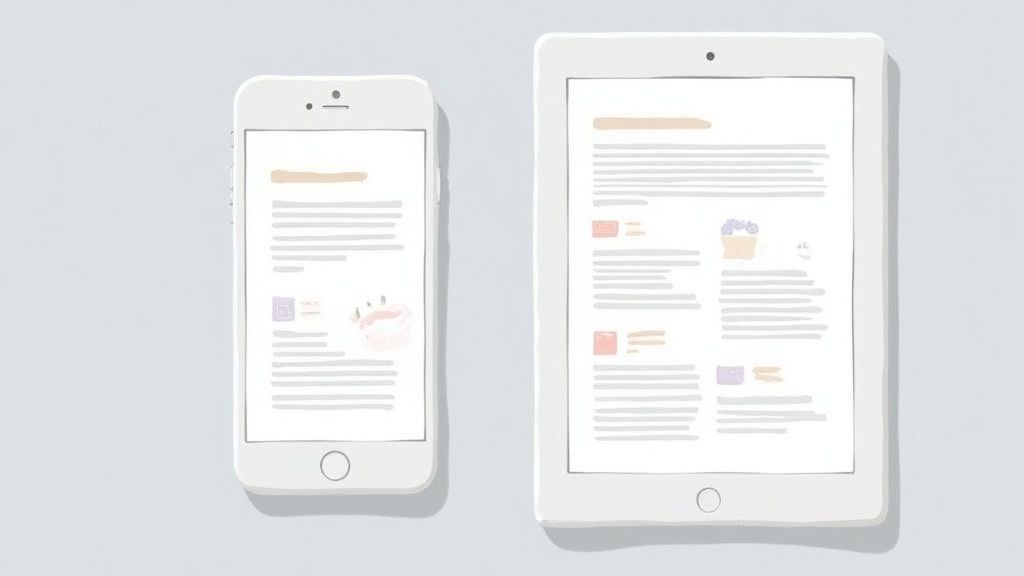
Since many subscribers will read your content on their mobile devices while on the go, optimizing for small screens and quick scanning is non-negotiable. A visually appealing and easy-to-read format ensures your message is received clearly, regardless of the device. Think of leaders at Microsoft, who use branded headers for instant recognition, or Notion, whose minimalist design makes complex ideas feel simple and accessible.
Why Visual Design Matters
Strong visual design makes your content scannable and digestible. When a reader opens your newsletter, they make a split-second judgment about its value based on its appearance. Using elements like bold headings, bullet points, and short paragraphs helps guide the reader’s eye through the text, making it easier for them to pull out key information quickly. This is crucial for busy professionals who may only have a few minutes to spare.
Key Insight: Great design isn't just about aesthetics; it's about accessibility and user experience. The goal is to remove all friction between your reader and your message, making your content effortless to consume and understand.
How to Implement Visual and Readability Best Practices
Integrating strong design principles into your newsletter doesn't require a graphic design degree. It’s about making deliberate choices to enhance the reader experience. Here are actionable steps to optimize your layout:
Keep Paragraphs Short: Break up your text into small, digestible chunks of no more than 2-3 sentences. This prevents "walls of text" that are intimidating on any screen, especially mobile.
Use Lists and Formatting: Employ bulleted or numbered lists to organize information and make complex points easier to follow. Use bold text strategically to emphasize key terms or takeaways.
Choose Fonts Wisely: Stick to a maximum of 2-3 simple, clean fonts. Use one for headings and another for body text to create a clear visual hierarchy.
Incorporate Relevant Visuals: Include 1-3 high-quality images, simple infographics, or charts to break up text and illustrate your points. Always add descriptive alt text for accessibility.
Prioritize Accessibility: Ensure your text and background colors have sufficient contrast to meet accessibility standards. This makes your content readable for everyone, including those with visual impairments.
Test on Mobile: Before you hit publish, preview your newsletter on a mobile device to ensure it renders correctly and is easy to navigate on a smaller screen.
6. Clear Call-to-Action (CTA) Strategy
Your newsletter should do more than just inform; it should inspire action. A core component of effective LinkedIn newsletter best practices is implementing a clear and strategic call-to-action (CTA). A CTA is the specific instruction you give your readers, guiding them on what to do next, whether it’s downloading a resource, visiting your website, or registering for an event.
Without a clear CTA, you leave your audience at a dead end, squandering the engagement you worked hard to build. A well-placed and thoughtfully worded CTA transforms passive readers into active participants, moving them further down your funnel and deepening their relationship with your brand. It’s the critical link between your content and your business goals.
Why a CTA Strategy Matters
A strategic CTA gives your newsletter purpose and direction. It clarifies the value exchange: you provide valuable content, and in return, you ask the reader to take a small, specific step. For example, the Morning Brew newsletter masterfully includes a clear "Advertise with us" CTA that not only directs potential sponsors but also succinctly states the value proposition for them. This approach maximizes conversion opportunities without feeling overly aggressive.
Key Insight: The most effective newsletters have one primary goal per issue. Your primary CTA should directly support that goal. Overwhelming readers with too many choices often leads to them choosing none at all.
How to Implement a Clear CTA Strategy
Crafting a CTA that converts requires more than just adding a link. It involves intentional language, placement, and design. Here are actionable steps to create compelling CTAs:
Define One Primary Goal: Before you write, decide on the single most important action you want readers to take. Is it to read a blog post, book a consultation, or download a guide? Focus your main CTA on this goal.
Use Action-Oriented Language: Start your CTA with a strong verb that tells readers exactly what to do. Use specific words like “Download the guide,” “Register for the webinar,” or “Explore the case study” instead of vague phrases like “Click here.”
Strategic Placement: The best place for your primary CTA is often about 60-75% of the way through the newsletter. This gives you enough space to build value and context before making the ask.
Make it Visually Distinct: Use buttons with contrasting colors to make your CTA stand out from the rest of the text. This visual cue draws the reader's eye and makes the desired action obvious.
Link to a Relevant Page: Always ensure your CTA links directly to a relevant landing page, not your website's homepage. A direct link reduces friction and makes it easier for the user to complete the action.
7. Engagement Metrics Tracking and Optimization
Creating great content is only half the battle; understanding how it performs is what unlocks sustainable growth. Tracking and optimizing your engagement metrics is one of the most critical LinkedIn newsletter best practices because it transforms your strategy from guesswork into a data-driven process. By monitoring how subscribers interact with your content, you can make informed decisions to improve future editions.
LinkedIn provides a built-in analytics dashboard for your newsletter, offering valuable insights into open rates, click-through rates, and subscriber growth. Regularly reviewing this data helps you understand what resonates with your audience and what doesn't. This feedback loop is essential for refining your content strategy, enhancing reader value, and ultimately, growing a more engaged community.
Why Tracking Metrics Matters
Data provides objective feedback on your newsletter's health and impact. Are your headlines compelling enough to earn an open? Is your content valuable enough to generate clicks? For example, if you notice a spike in unsubscribes after an issue, it might indicate a topic mismatch or a change in quality. Conversely, an article with a high click-through rate signals a topic your audience wants more of.
This analytical approach allows you to systematically improve your newsletter's performance over time. To truly optimize your newsletter, it's crucial to actively employ methods to measure the quality of your newsletter content and understand its impact. This ensures you are not just publishing content, but delivering real value that keeps readers coming back.
Key Insight: Metrics are not just numbers; they are the voice of your audience. A low open rate isn't a failure, it's feedback telling you to experiment with different headlines or send times. Listen to what the data is telling you.
How to Implement Metrics Tracking and Optimization
Turning data into actionable improvements requires a structured process. Here are the steps to effectively track and optimize your newsletter's performance:
Establish a Baseline: After your first 3-4 issues, establish your baseline metrics. This gives you a benchmark to measure future performance against.
Track Key Performance Indicators (KPIs): Focus on essential metrics like Open Rate (headline effectiveness), Click-Through Rate (content value), Subscriber Growth, and Engagement (likes, comments, shares on the post).
Analyze Content Performance: Identify your top-performing articles by looking at engagement and click data. What topics, formats, or tones drove the most interaction? Use these insights to plan future content.
Test and Iterate: Make one significant change at a time, such as testing a new headline style, call-to-action, or publishing day. This allows you to attribute any change in performance directly to that specific variable.
Review Trends Monthly: Set aside time each month to review your analytics. Look for trends, patterns, and anomalies to inform your long-term strategy. You can learn more about how to conduct a thorough content performance analysis to guide your decisions.
8. Community Building and Subscriber Interaction
One of the most powerful, yet often overlooked, LinkedIn newsletter best practices is to transform your one-way content broadcast into a two-way conversation. Building a community around your newsletter means creating a space where subscribers feel seen, heard, and valued. It’s about shifting from passive consumption to active participation, turning your readers into a loyal and engaged audience.
This approach leverages LinkedIn’s inherently social nature. Unlike traditional email newsletters, LinkedIn newsletters have a built-in comment section right below each article. Fostering dialogue here strengthens relationships, provides invaluable feedback, and signals to the algorithm that your content is sparking meaningful engagement, which can boost its visibility.
Why Community Matters
An engaged community becomes a powerful asset. Subscribers who feel connected are more likely to share your content, advocate for your brand, and provide honest insights that can help you refine your strategy. For example, Liz Wessel’s newsletter actively encourages debate in the comments, turning each edition into a vibrant forum. This interaction builds a strong sense of belonging and loyalty that a simple content feed cannot replicate. To truly foster this loyal audience, integrate powerful community engagement strategies into your newsletter approach, encouraging active participation and interaction.
Key Insight: Your newsletter isn't just a publication; it's a potential hub for a community. The goal is to make subscribers feel like members of an exclusive club, not just names on a list.
How to Implement Community Building
Actively fostering a community requires intentional effort. Here are actionable steps to encourage subscriber interaction:
Ask Direct Questions: End each newsletter with a specific, open-ended question that prompts readers to share their thoughts or experiences in the comments.
Respond Promptly and Thoughtfully: Make it a priority to reply to every comment, ideally within 24 hours. Acknowledge the commenter’s point and add to the conversation.
Feature Your Subscribers: Highlight the best comments, ideas, or even subscriber success stories (with their permission) in subsequent issues. This recognition encourages future participation.
Host Q&A Sessions: Dedicate an entire edition or a section of your newsletter to answering reader-submitted questions, similar to the approach used by Tim Ferriss.
Create a Companion Group: Consider launching a dedicated LinkedIn Group for your newsletter subscribers to facilitate deeper discussions and networking among members.
Professional appearance, improved readability and retention
Clear Call-to-Action (CTA) Strategy
Low–Medium — copy + placement testing
Low — button assets and tracking
Higher conversion (20–40%); single CTAs outperform multiple options
Direct-response newsletters, event signups, lead gen
Focused conversions, reduced decision friction
Engagement Metrics Tracking and Optimization
Medium — analytics setup and interpretation
Medium — analytics tools and analyst time
Data-driven improvements; baseline: open 25–35%, CTR 2–5%
Teams optimizing performance and justifying investment
Actionable insights, continuous iteration, better ROI
Community Building and Subscriber Interaction
High — moderation and ongoing engagement
High — time for responses, community management
Strong loyalty and advocacy; ~60% higher engagement, 45% better retention
Communities seeking two-way dialogue and UGC
Deeper loyalty, social proof, organic amplification
From Best Practices to Best-in-Class Performance
Navigating the landscape of LinkedIn newsletters can seem complex, but the journey from launching your first issue to building a must-read publication is built on a foundation of repeatable, strategic actions. We’ve explored a comprehensive set of LinkedIn newsletter best practices throughout this guide, moving from foundational principles to advanced growth tactics. The core lesson is clear: success isn't about a single viral post or a one-time trick. It's about the consistent application of a well-defined strategy.
The difference between a newsletter that gets opened and one that gets anticipated lies in the details. It's the difference between just publishing and publishing with purpose. By internalizing these best practices, you are equipping yourself with a powerful toolkit to not only reach your audience but to build a genuine, lasting connection with them.
Your Blueprint for Sustainable Growth
Let's distill the most critical takeaways from our discussion into a clear action plan. Think of this as your final checklist before you hit "publish" on your next issue and as your strategic guide for the months ahead.
Consistency is Your Cornerstone: The most crucial element is your Consistent Publishing Schedule. It’s not just about frequency; it’s about reliability. When subscribers know when to expect your content, you build trust and create a habit. This is the bedrock upon which all other efforts are built.
The First Impression is Everything: Your Compelling Subject Lines and Headlines are your single most important piece of copy. They are the gatekeepers to your content. A/B testing, using power words, and creating a sense of curiosity are not just suggestions; they are essential skills for newsletter growth.
Value is Your Currency: A Value-First Content Strategy ensures you are always serving your audience's needs. Before you write a single word, ask yourself: "What problem does this solve?" or "What insight does this provide?" Answering this question honestly is the key to creating content that people actively want to consume and share.
Engagement is a Two-Way Street: A newsletter is not a monologue; it's the start of a conversation. Prioritizing Community Building and Subscriber Interaction transforms your audience from passive readers into an active, engaged community. Reply to comments, ask questions in your articles, and feature reader feedback to make them feel seen and valued.
From Theory to Action: Your Immediate Next Steps
Mastering these LinkedIn newsletter best practices is an ongoing process of creation, measurement, and refinement. Your journey doesn't end here; it begins. To turn this knowledge into tangible results, focus on these immediate actions:
Conduct a Content Audit: Review your last three to five newsletter editions. How do they stack up against the best practices we've covered? Where are the biggest gaps? Identify one or two key areas, like improving your CTAs or optimizing for readability, and commit to improving them in your next issue.
Map Your Metrics: Open your LinkedIn analytics. Don't just glance at the subscriber count. Look deeper into the Engagement Metrics for each article. Which headlines drove the highest open rates? Which topics generated the most comments or shares? Use this data to inform your content strategy for the next quarter.
Schedule Your Workflow: Consistency crumbles without a system. Block out time on your calendar not just for writing, but for ideation, promotion, and community engagement. A structured workflow prevents burnout and ensures you can execute your strategy effectively week after week.
Ultimately, the most successful newsletters are built on a foundation of genuine value, authentic connection, and unwavering consistency. You have the framework and the tools. The key now is to start, stay consistent, and always prioritize the needs and interests of your audience. By doing so, you will transform your LinkedIn newsletter from a simple content distribution channel into a powerful asset for your personal brand and business.
Ready to implement these best practices with greater efficiency and precision? Postiz provides a robust platform for scheduling your LinkedIn posts and newsletters, allowing you to plan your content calendar, automate your publishing schedule, and analyze your performance all in one place. Streamline your workflow and ensure every edition goes out on time by exploring Postiz today.
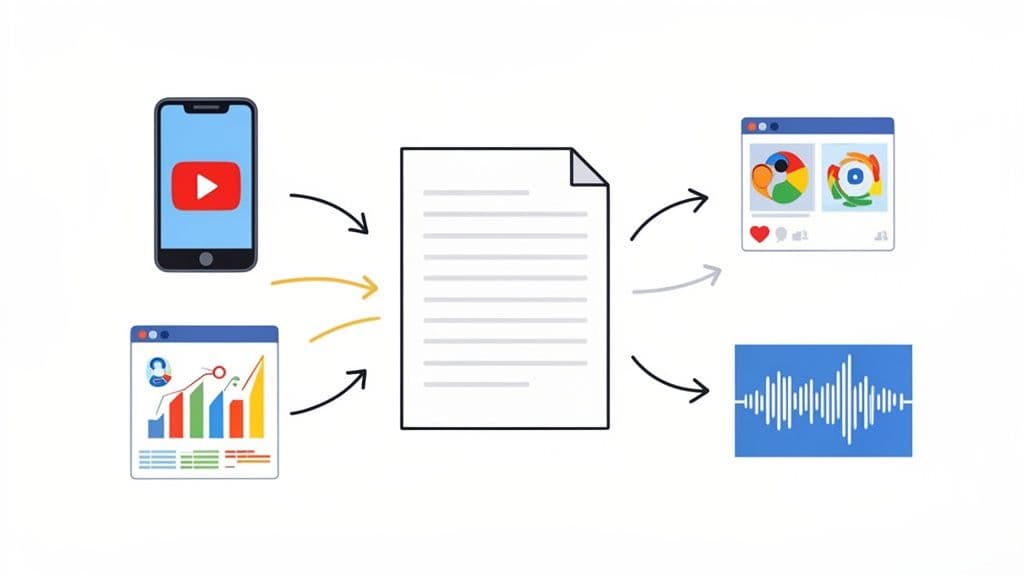
What is content repurposing? Learn how to multiply your content's value, reach new audiences on different platforms, and boost your marketing efficiency.
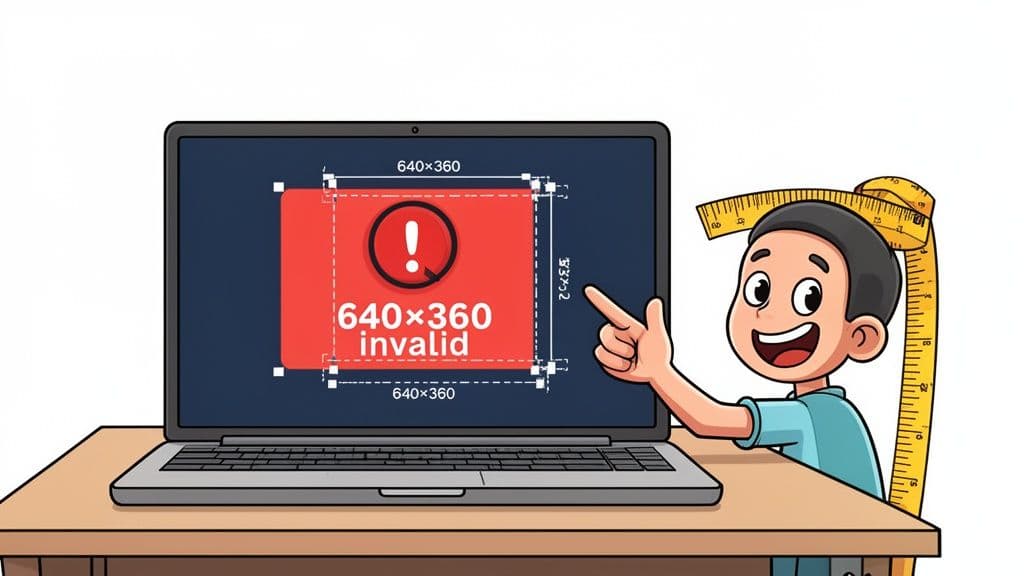
Struggling with an image error? Learn how to fix “sorry, the image dimensions are invalid. must be 640×360” using simple, practical steps and smart tools.